
When to Conduct an IAQ (Indoor Air Quality) Test in Office Buildings
The reasons why you should engage a regular carpet cleaning for your office space
When to Conduct an IAQ (Indoor Air Quality) Test in Office Buildings
Indoor Air Quality (IAQ) is a critical yet often overlooked component of workplace health and safety. In office buildings, particularly in urban areas, pollutants, allergens, and biological contaminants can accumulate, affecting employee comfort, productivity, and long-term well-being. Unlike outdoor air, indoor air doesn’t dilute quickly — pollutants can accumulate, circulate through HVAC systems, and impact everyone inside.
This article explains when office buildings should conduct IAQ testing, what factors trigger the need for a test, how often testing should occur, and practical steps businesses can take to monitor and improve indoor air quality. Understanding IAQ (indoor air quality) test goes beyond mere compliance — it is essential for safeguarding employee well-being, meeting regulatory standards, and ensuring operational efficiency.
What Is Indoor Air Quality (IAQ)?
Indoor Air Quality refers to the condition of the air inside a building, as determined by the presence of pollutants, humidity levels, ventilation effectiveness, and occupant comfort factors such as temperature and odors. Poor IAQ can stem from a wide range of sources, including:
- Volatile organic compounds (VOCs) from paints, carpets, and furniture
- Particulate matter from dust and outdoor pollution
- Mold and microbial contaminants
- Combustion byproducts such as carbon monoxide
- Chemicals from cleaning agents and office equipment
Good air quality supports concentration, reduces sick‑building symptoms, and creates a healthier work environment overall. IAQ testing helps quantify the air conditions so that corrective measures can be targeted and effective.
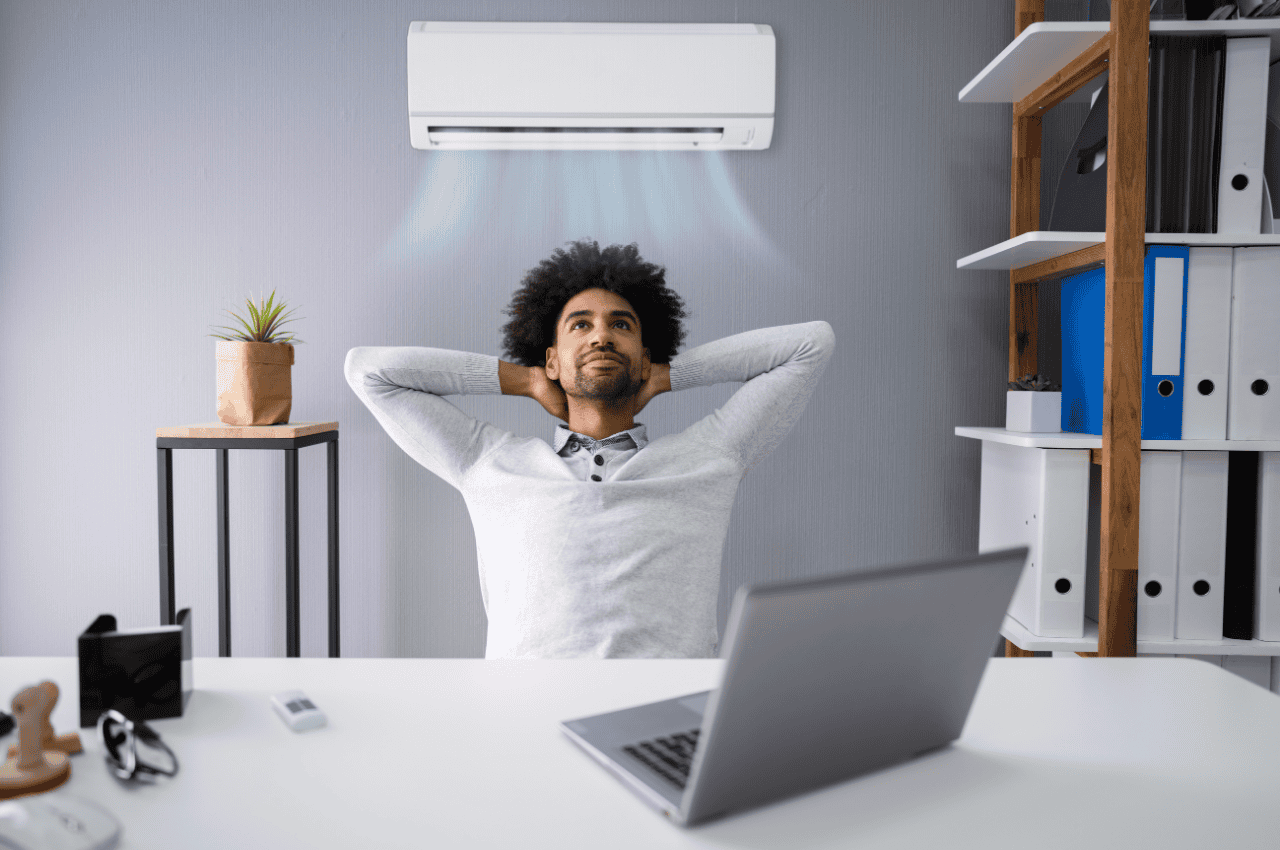
Why IAQ Testing Matters in Office Buildings
IAQ testing provides measurable data about the condition of indoor air, allowing building managers and employers to:
- Identify hidden contaminants that may not be perceptible by smell or sight
- Prevent health issues such as allergies, respiratory irritation, and headaches
- Improve employee comfort and productivity
- Comply with building codes or occupational health standards
- Optimize HVAC system performance to reduce energy costs
Without testing, indoor air problems can remain invisible, gradually contributing to poor health outcomes and reduced workplace performance. For businesses, this translates into absenteeism, lower morale, and higher long‑term healthcare costs.
Signs That IAQ Testing Is Needed
There are several situations in which conducting an IAQ test is strongly recommended. Knowing these triggers helps building managers act proactively rather than reactively.
1. Persistent Employee Complaints About Air Quality
One of the earliest indicators that something is wrong with indoor air is repeated complaints regarding:
- Stuffy or stale air
- Frequent headaches or fatigue among employees
- Persistent odors after cleaning or maintenance
- Irritation of the eyes, nose, or throat
If employees across different floors or areas report similar symptoms, it may indicate an IAQ issue that requires professional testing.
2. After Major Renovations or Construction Work
Renovation activities often involve materials that emit VOCs and other pollutants, including:
- Paints, adhesives, and sealants
- New carpets and upholstery
- Construction dust and debris
- Disturbance of old insulation or ceiling materials
These contaminants can linger long after the project is completed. Conducting an IAQ test after renovations ensures the workspace is safe for employees before reopening.
3. When There Is Increased Sick Leave or Reduced Productivity
Unexpected increases in sick leave or drops in productivity may signal environmental issues affecting the office. While many factors influence employee wellness, indoor air quality is a common — yet overlooked — contributor to:
- Flu‑like symptoms
- Respiratory irritation
- Allergic reactions
- Lethargy and lack of concentration
When health trends shift without explanation, it’s wise to call in an IAQ assessment.
4. Suspected Mold, Dampness, or Water Damage
Mold spores and microbial growth pose significant IAQ risks and are often associated with damp or poorly ventilated areas. Signs include:
- Musty or earthy odors
- Visible mold growth on walls, carpets, or ceilings
- Water stains or persistent damp spots
- Recent flooding or leaks
Mold spores can spread through HVAC systems to other parts of the building, making IAQ testing essential to determine their severity and distribution.
5. Changes in HVAC Performance
HVAC systems are critical to maintaining good IAQ, but they can themselves become sources of problems if they are improperly maintained or malfunction. Indicators include:
- Uneven temperature or humidity distribution
- Reduced airflow
- Loud or unusual HVAC noises
- Dust buildup around vents
IAQ testing helps detect whether the system is circulating contaminants instead of clean air.
6. Compliance With Regulations or Standards
Some industries and workplaces are subject to health and safety regulations that require periodic IAQ evaluation, such as:
- Healthcare facilities
- Laboratories
- Cleanrooms or sensitive environments
- Childcare and educational facilities
Even where testing is not legally required, many businesses adopt IAQ practices as part of corporate wellness programs or ESG (Environmental, Social, Governance) initiatives.
Transform Any Space with Expert Cleaning
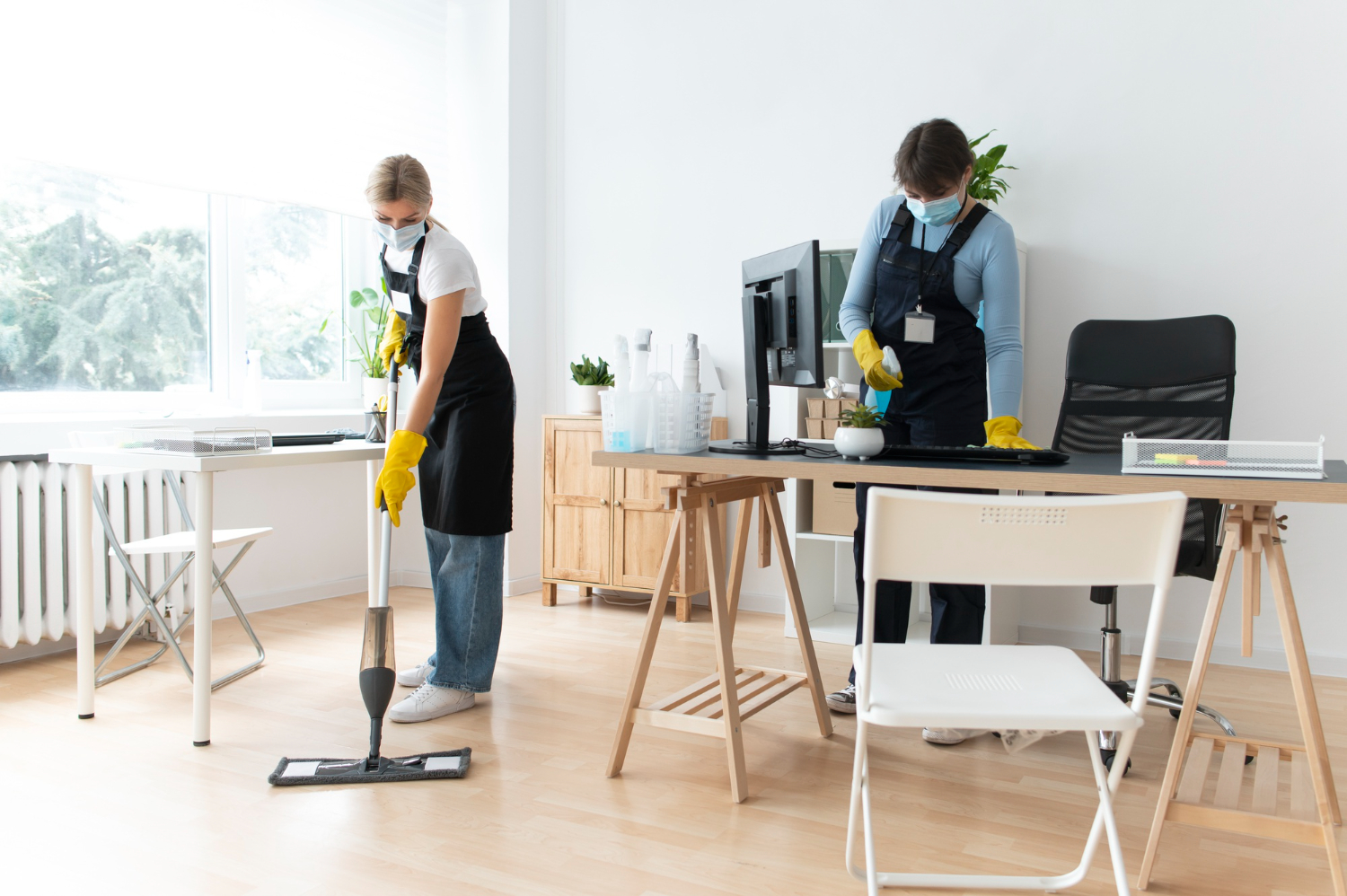
hCH Cleaning Services provide comprehensive cleaning solutions for every industry, keeping workspaces, production areas, and common areas spotless and hygienic.
Contact UsHow Often Should IAQ Testing Be Conducted?
The frequency of IAQ testing depends on building use, occupancy patterns, history of IAQ issues, and environmental conditions.
Routine IAQ Checks
For typical office buildings without known air quality problems, a baseline annual IAQ assessment is a good starting point. Regular IAQ testing generates data year after year, helping track patterns and monitor improvements or declines.
Targeted Testing After Trigger Events
As noted above, any of the following situations should prompt an immediate IAQ test:
- Major renovations or interior work
- Multiple employee complaints about air quality
- Significant HVAC changes or malfunctions
- Water intrusion or suspected mold
These event‑based tests help isolate causes and support targeted solutions.
Seasonal Testing in Certain Climates
Offices in tropical or humid climates benefit from seasonal IAQ monitoring, especially during periods of high humidity or pollen activity. High humidity can elevate the risk of mold growth and intensify the activity of airborne pollutants. Seasonal testing helps adapt ventilation and filtration strategies in response to weather‑related changes.

What Does an IAQ Test Typically Measure?
An IAQ assessment can include several components, depending on the scope:
- Particulate Matter (PM2.5 and PM10) – tiny particles that affect respiratory health
- Carbon Dioxide (CO₂) – a marker of ventilation effectiveness
- Volatile Organic Compounds (VOCs) – chemicals from paints, furnishings, and cleaning products
- Temperature and Humidity – critical factors in comfort and mold risk
- Mold and Biological Contaminants – fungal spores, bacteria, and allergens
- Carbon Monoxide (CO) – especially if combustion appliances or nearby traffic are concerns
Professional IAQ specialists use advanced tools like particle counters, gas analyzers, and calibrated sensors to ensure accurate measurements. After testing, a detailed report typically outlines findings and recommends corrective actions.
Conclusion
IAQ is a critical element of workplace health that directly affects employee wellness, comfort, and productivity. Conducting IAQ testing at appropriate times — such as after renovations, during HVAC issues, in response to employee complaints, and regularly as part of annual building maintenance — ensures air quality stays within safe limits.
By understanding when to test, what triggers require immediate attention, and how to interpret and act upon test results, office managers can create healthier, safer, and more productive indoor environments. Regular IAQ monitoring not only protects occupants but also reinforces a culture of well‑being and operational excellence.
Transform Any Space with Expert Cleaning
hCH Cleaning Services provide comprehensive cleaning solutions for every industry, keeping workspaces, production areas, and common areas spotless and hygienic.
Contact UsRECENT POSTS
-
 How to Improve Indoor Air Quality During Haze: 8 Effective Tips to Breathe Easier
 -
 Protect Office From Haze Singapore: 7 Essential Steps for a Safer Workplace
 -
 Haze Indoor Air Quality Singapore: 5 Essential Facts to Protect Your Health
 -
 Indoor Air Quality Testing Singapore: 6 Signs Your Office Needs It Now
 -
 Childcare Cleaning Service Singapore: 7 Essential Areas for a Safer Centre
 -
 Warehouse Cleaning Services Singapore: 8 Essential Checklist Items You Can't Skip
 -
 Office Cleaning Tips Singapore: 10 Proven Ways to Avoid a Messy Workplace
