
Disinfection Services Singapore: 3 Critical Health Risks Businesses Overlook
Disinfection Services Singapore: 3 Critical Health Risks Businesses Overlook
Disinfection Services Singapore: 3 Critical Health Risks Businesses Overlook
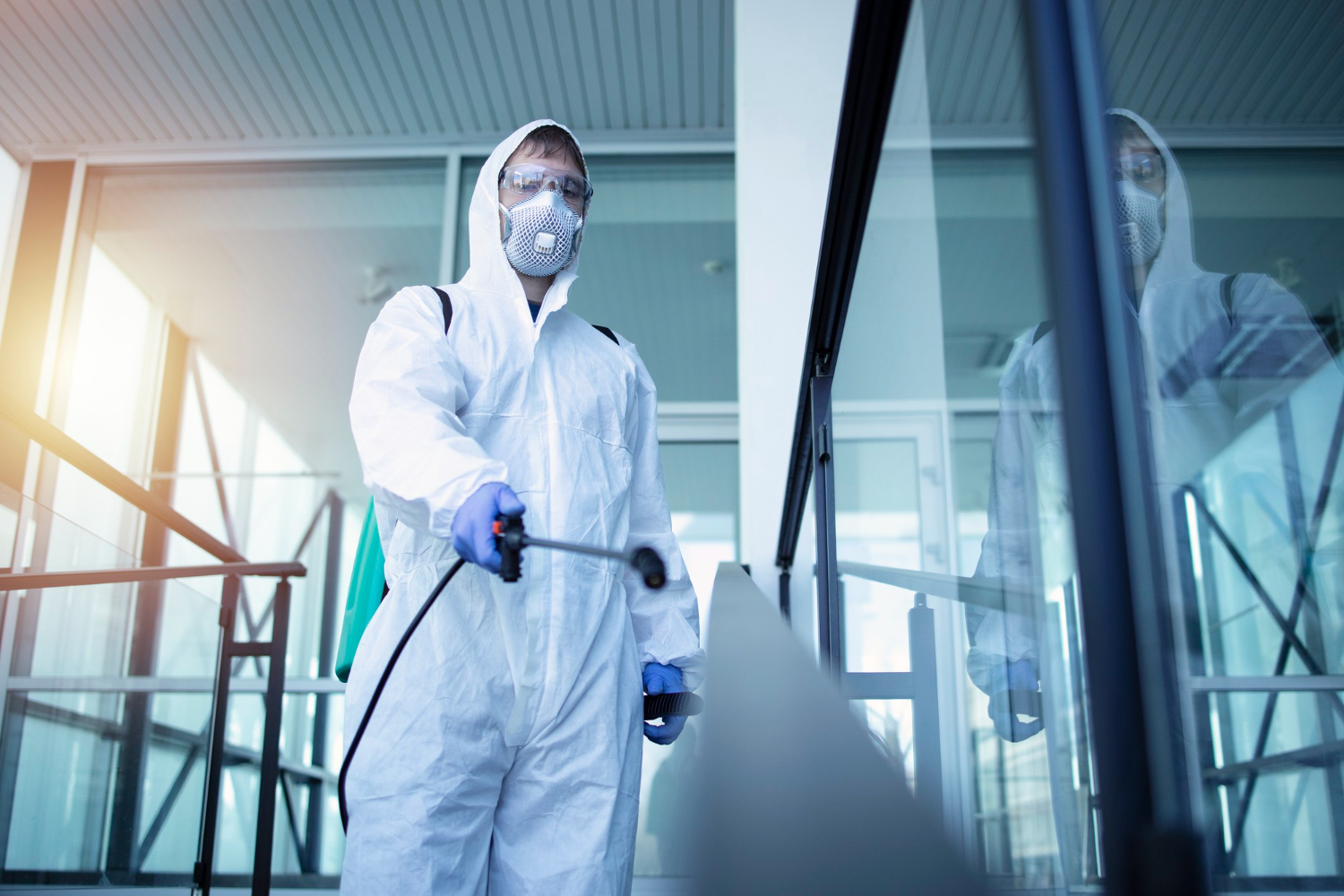
When people think about workplace hygiene, visible cleanliness usually comes to mind first. But some of the more serious health risks businesses face are invisible — which is exactly why disinfection services Singapore premises need go hand-in-hand with broader hygiene and air quality management, not just surface wiping.
Risk 1: Mosquito Breeding and Dengue Transmission
Stagnant water in drains, gutters, or cluttered storage areas can quietly become a mosquito breeding ground, contributing to dengue transmission risk. The National Environment Agency has repeatedly taken enforcement action against premises with repeated mosquito breeding, including commercial and construction sites, not just residential homes.
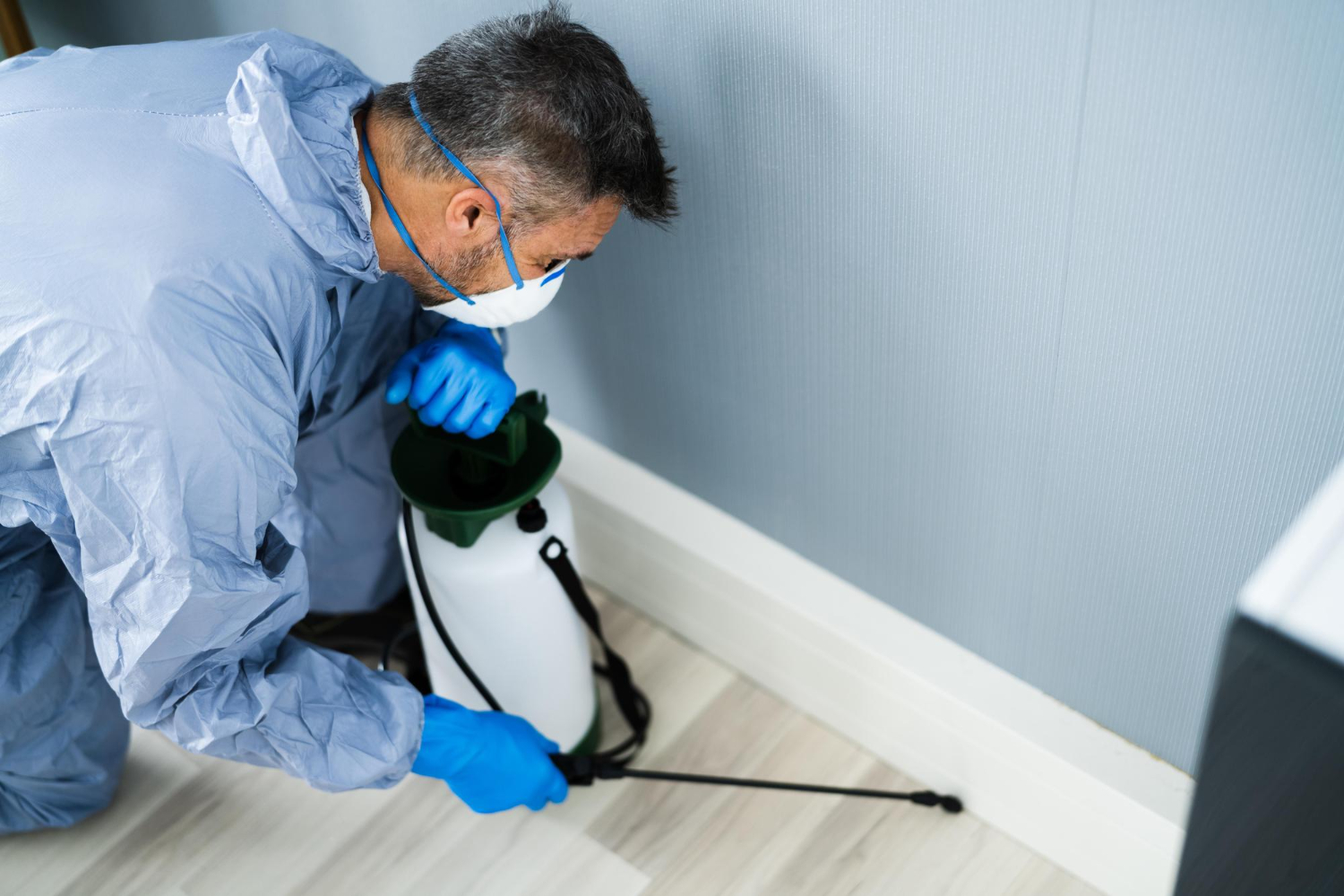
A proper disinfection services Singapore routine should include:
- Regular drain and gutter clearing to prevent stagnant water
- Inspection of storage areas for overlooked water-collecting containers
- Scheduled disinfection of high-touch surfaces to reduce broader pathogen spread
Risk 2: Haze-Linked Indoor Air Quality Deterioration
Singapore has faced significant haze episodes in 2026, with PSI readings crossing into unhealthy territory across multiple regions. While disinfection addresses surfaces, indoor air quality Singapore businesses maintain also needs attention during these periods, since fine haze particles infiltrate indoor spaces through windows, doors, and air-conditioning systems.
Combined hygiene measures during haze season should include:
- Air-conditioning filter and vent cleaning to reduce particle recirculation
- Surface disinfection to address dust and pollutant residue settling indoors
- Increased cleaning frequency during periods of elevated PSI
Risk 3: Not Knowing Your Actual Air Quality Baseline
Many businesses assume their indoor air is fine simply because there’s no visible haze or odour. This is where indoor air quality testing Singapore businesses can arrange for becomes valuable — it provides an objective baseline rather than a guess, measuring factors like particulate levels and ventilation adequacy rather than relying on visual assessment alone.
Testing is particularly worth considering for:
- Offices in older buildings with ageing ventilation systems
- Premises located near construction or high-traffic areas
- Businesses that experienced complaints about air quality or comfort from staff
Bringing It Together: Disinfection Services Singapore and Overall Hygiene
Disinfection, air quality management, and periodic testing aren’t separate, unrelated services — together they form a more complete picture of workplace health that goes beyond what’s visibly dirty or clean. Businesses that only focus on surface cleanliness may be missing risks that don’t show up until there’s an outbreak, a complaint, or a compliance issue.
Signs Your Premises May Need Disinfection Services Singapore Businesses Often Miss
Some warning signs are obvious — visible mould, pest sightings, or a noticeable odour. But many of the situations that call for disinfection services Singapore businesses should act on are far less obvious, which is exactly why they get missed.
A recent illness outbreak among staff, even something as common as flu going around the office, is a good trigger to schedule a disinfection pass on high-touch surfaces like door handles, shared equipment, and pantry areas. Similarly, if your premises sits near a known dengue cluster — something you can check via NEA’s public cluster updates — it’s worth proactively inspecting your own drains and outdoor areas rather than waiting for an inspector to flag an issue.
Older buildings with ageing plumbing or drainage infrastructure are also worth watching closely, since minor leaks or poor drainage can create the kind of stagnant water conditions mosquitoes need to breed, often in places that aren’t part of a normal daily cleaning routine — roof gutters, unused storage rooms, or external ledges.
Building a Simple Hygiene Monitoring Routine
You don’t need an elaborate system to stay ahead of these risks — a simple, consistent routine goes a long way. Consider building in:
A monthly walk-through specifically looking for stagnant water sources, not just general cleanliness — check gutters, unused containers, and any flat surfaces that collect rainwater after storms.
A seasonal air quality check during known high-risk periods, particularly the dry season months when transboundary haze risk tends to peak in Singapore. This doesn’t need to be a full professional test every time — even monitoring publicly available PSI data and adjusting your ventilation and cleaning frequency accordingly is a meaningful step.
A disinfection schedule tied to your business type and foot traffic. A busy retail space or F&B outlet with high public contact will benefit from more frequent disinfection than a smaller office with a stable, regular team.
Why This Matters Beyond Compliance
While avoiding fines or enforcement action is a real consideration, the underlying reason this matters is simpler: a workplace with poor hygiene and air quality management puts real people at risk — your staff, your customers, and anyone else who spends time on your premises. Dengue, respiratory irritation from haze exposure, and general illness spread aren’t abstract regulatory concepts, they’re outcomes that directly affect people’s health and your business’s ability to operate smoothly.
Businesses that treat disinfection and air quality as an ongoing responsibility, rather than a reaction to a problem, tend to avoid the disruption that comes with outbreaks, complaints, or enforcement visits in the first place.
Transform Any Space with Expert Cleaning
hCH Cleaning Services provide comprehensive cleaning solutions for every industry, keeping workspaces, production areas, and common areas spotless and hygienic.
Contact UsUnderstanding What Professional Disinfection Actually Covers
There’s often confusion between general cleaning and true disinfection, and the distinction matters. Cleaning removes visible dirt and dust, but disinfection specifically targets pathogens — bacteria, viruses, and other microorganisms — on surfaces, using products and contact times proven to reduce their presence significantly.
A professional disinfection service typically prioritises high-touch surfaces first: door handles, light switches, shared equipment like printers or pantry appliances, washroom fixtures, and reception counters. These are the surfaces most likely to transfer germs between people throughout the day, making them the highest-value targets for disinfection efforts.
Beyond surface treatment, a thorough disinfection service often includes attention to less obvious risk areas — air-conditioning drip trays and drainage points, where standing water can accumulate unnoticed, and outdoor areas like planters, gutters, and flat roof sections that are easy to overlook during routine indoor cleaning but are exactly where mosquito breeding tends to start.
The frequency and intensity of disinfection should scale with your specific risk profile. A childcare centre or clinic, for example, warrants more frequent and thorough disinfection than a standard office, given the higher vulnerability of the people using the space and the closer physical contact typically involved.
Working With Your Cleaning Provider on a Long-Term Plan
Rather than booking disinfection as a one-off reactive service, it’s worth discussing a long-term plan with your cleaning provider that accounts for seasonal risk changes throughout the year.
This might mean increasing disinfection frequency during peak dengue season, typically running from June through October, and again during periods of elevated haze risk, which in recent years has extended into the September period based on regional fire activity. A provider familiar with these seasonal patterns can help you plan ahead rather than reacting once conditions have already deteriorated.
It’s also worth building in a simple review process — checking in periodically on whether your current disinfection and air quality measures still match your actual usage patterns, especially if your premises has seen changes in foot traffic, renovations, or shifts in how the space is used.
Frequently Asked Questions
How often should a business schedule disinfection services? This depends on foot traffic and premises type, but a general guide is monthly for high-traffic businesses and quarterly for smaller, lower-traffic offices, with additional passes after any illness outbreak.
Is indoor air quality testing necessary if PSI readings look normal? PSI reflects outdoor conditions, not what’s happening inside your specific building. Testing gives a direct read on your actual indoor environment, which can differ from outdoor readings depending on ventilation and building age.
Can disinfection services help during haze season specifically? Yes — disinfection combined with surface dusting helps address settled particulate matter indoors, complementing air quality measures like filter cleaning and ventilation checks.
Do small offices really need to worry about mosquito breeding risks? Yes — any premises with an outdoor component, such as a balcony, ledge, or rooftop garden, can develop stagnant water pockets regardless of business size, so this isn’t a concern limited to large facilities.
This is particularly true for businesses operating in older buildings, premises near construction sites, or facilities with limited natural ventilation. In these settings, the combination of pest-related risks and air quality concerns tends to compound rather than exist in isolation, which is exactly why a single, coordinated hygiene plan works better than treating each issue as a separate, occasional fix.
Final Thoughts
From dengue prevention to haze-related air quality concerns, disinfection services Singapore businesses need should be part of a broader hygiene strategy, not a standalone checkbox. Explore our disinfection and indoor air quality services to build a more complete approach to workplace health and hygiene.
Transform Any Space with Expert Cleaning
hCH Cleaning Services provide comprehensive cleaning solutions for every industry, keeping workspaces, production areas, and common areas spotless and hygienic.
Contact UsRECENT POSTS
-
 Office Cleaning Tips Singapore: 10 Proven Ways to Avoid a Messy Workplace
 -
 Office Cleaning Cost Singapore: 5 Proven Factors to Avoid Overpaying
 -
 Facade Cleaning Singapore: 3 Essential BCA Compliance Rules to Know
 -
 Disinfection Services Singapore: 3 Critical Health Risks Businesses Overlook
 -
 Commercial Cleaning Services Singapore: 5 Essential Tips to Avoid Costly Surprises
 -
 Restaurant Cleaning Services Singapore: 4 Essential Areas Daily Wipe-Downs Miss
 -
 Why a Cleaning Service for Preschool Matters More Than You Think
