
Facade Cleaning Singapore: 3 Essential BCA Compliance Rules to Know
Facade Cleaning Singapore: 3 Essential BCA Compliance Rules to Know
Facade Cleaning Singapore: 3 Essential BCA Compliance Rules to Know
Many building owners think of facade cleaning Singapore properties undergo purely as an appearance issue. In reality, it’s closely tied to a regulatory requirement that every owner of an older, taller building in Singapore needs to know about — and the same compliance-first mindset applies to how warehouses should approach their own cleaning obligations.
BCA's Periodic Facade Inspection (PFI) Regime
Singapore’s Building and Construction Authority requires buildings above a certain height and age to undergo a Periodic Facade Inspection every seven years. According to BCA’s own guidelines on the PFI regime, a Competent Person must conduct a full visual inspection of each building elevation to detect deterioration before it becomes a safety hazard.
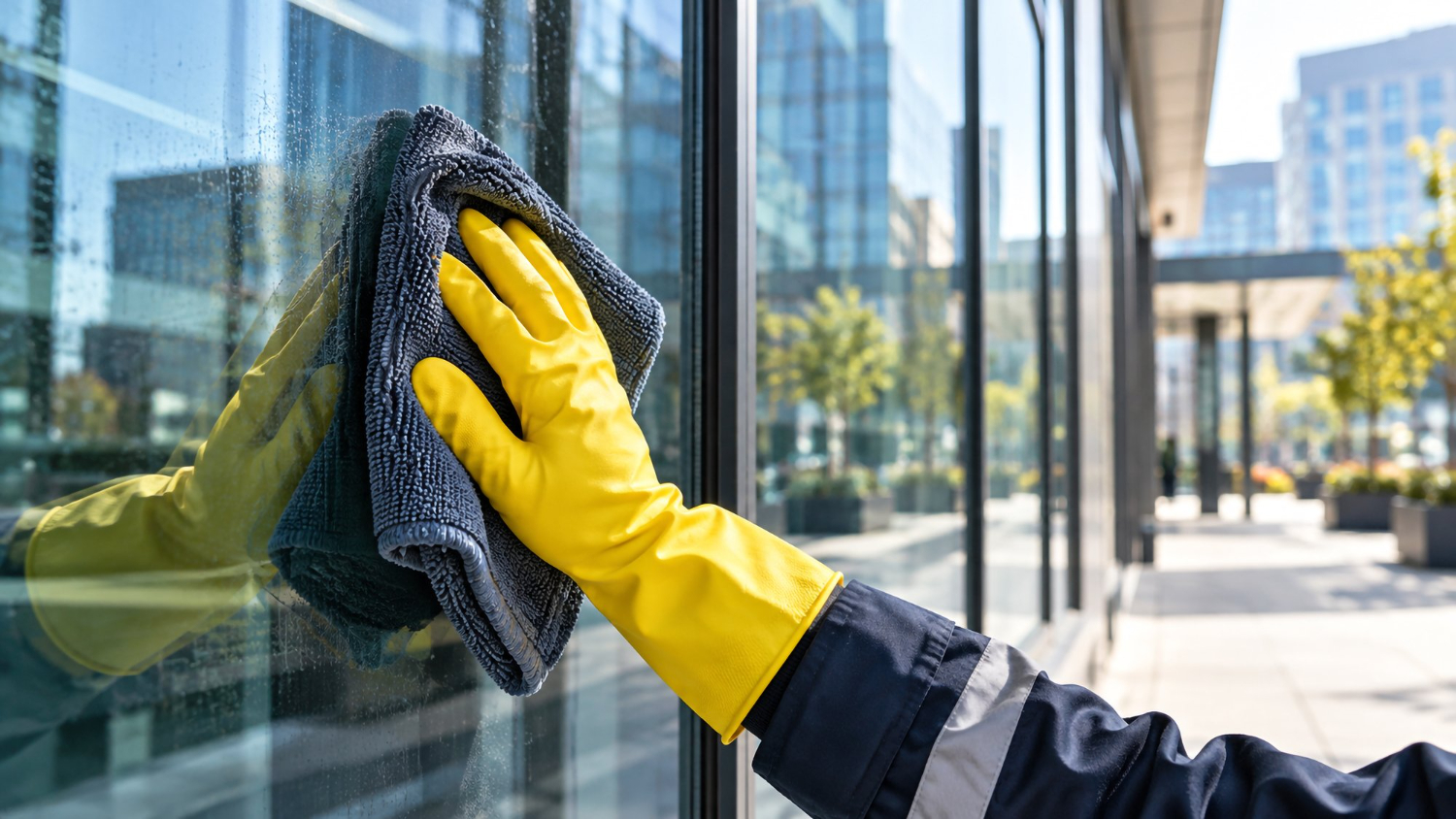
This is where building facade cleaning Singapore contractors provide play a supporting role: a facade obscured by years of grime, algae, or pollutant staining makes it significantly harder for inspectors to spot early cracks or material degradation during a visual assessment. Regular cleaning isn’t just cosmetic — it directly supports the accuracy of a mandatory compliance inspection.
What This Means Practically for Building Owners
If your building falls under the PFI regime, consider:
- Scheduling facade cleaning in the months leading up to a due inspection, so surfaces are clear for accurate assessment
- Keeping cleaning records, which can help demonstrate ongoing maintenance diligence
- Choosing a facade cleaning provider familiar with high-rise access methods (rope access, gondola systems) appropriate for your building height
Warehouse Cleaning Services Singapore: A Similar Compliance Mindset
While warehouses aren’t subject to the same facade inspection regime, warehouse cleaning services Singapore operators need should be approached with a similar compliance-first mindset. Workplace safety expectations in Singapore require reasonably safe working conditions, which includes basic housekeeping — clear floors, controlled dust levels, and managed drainage to prevent pest issues.
Just as facade cleaning supports a visual inspection process, routine warehouse cleaning supports:
- Safer working conditions during internal audits or safety walkthroughs
- Reduced liability in the event of a workplace incident linked to poor housekeeping
- A documented cleaning record that can be referenced if compliance is ever questioned
Facade Cleaning Singapore and the Common Thread With Compliance
Whether it’s a facade inspection every seven years or an ongoing safety expectation in a warehouse, the pattern is the same: routine, scheduled cleaning isn’t just about appearances — it directly supports a business’s ability to meet regulatory or safety obligations when it matters.
Property managers who treat cleaning as purely cosmetic often end up scrambling closer to an inspection date or audit, trying to catch up on maintenance that should have been ongoing. Building this into a regular schedule, rather than a reactive task, tends to be both cheaper and far less stressful when a compliance deadline actually arrives.
The Cost of Non-Compliance
It’s worth understanding what’s actually at stake when facade or warehouse maintenance is neglected, beyond the inconvenience of a failed inspection.
For building owners under the PFI regime, deterioration that goes undetected due to a poorly maintained, grime-covered facade can eventually lead to falling debris — a genuine safety hazard that BCA takes seriously, given the volume of falling facade element reports received annually. Beyond the safety risk itself, responsible parties who fail to meet inspection or rectification timelines can face regulatory consequences, and in more serious cases, liability if an incident occurs.
For warehouses, poor housekeeping standards carry their own risks. Cluttered, dusty, or poorly drained facilities are more prone to workplace accidents, and in the event of an incident, a lack of documented maintenance can complicate insurance claims or safety investigations. Pest issues stemming from neglected drainage or waste management can also lead to enforcement action, disrupting operations at a far higher cost than routine cleaning would have.
In both cases, the pattern holds: the cost of staying ahead of maintenance is consistently lower than the cost of catching up after a problem has already surfaced.
Transform Any Space with Expert Cleaning
hCH Cleaning Services provide comprehensive cleaning solutions for every industry, keeping workspaces, production areas, and common areas spotless and hygienic.
Contact UsBuilding a Practical Maintenance Calendar
For property and facility managers juggling multiple compliance obligations, a simple annual calendar can make this far more manageable than trying to remember deadlines reactively.
Start by marking your building’s next PFI due date if applicable, then work backward to schedule a facade cleaning pass two to three months beforehand, giving the Competent Person a clear surface to inspect. For warehouses, rather than tying cleaning to a specific regulatory date, consider tying it to your existing safety audit or insurance renewal schedule, so housekeeping standards are freshly reinforced whenever these reviews happen.
Quarterly reviews of drainage points, storage organisation, and dust accumulation in both facade-adjacent areas and warehouse interiors can catch small issues before they become larger, costlier problems. Keeping simple records — photos, cleaning invoices, service reports — also means you have documentation ready if it’s ever needed for an inspection, audit, or insurance claim.
Documentation: The Often-Overlooked Compliance Asset
One practical habit worth adopting, regardless of which service you’re booking, is treating your cleaning records as a compliance asset rather than just an administrative formality.
For facade cleaning tied to the PFI cycle, keeping dated invoices, service reports, and even before-and-after photos creates a simple paper trail that demonstrates ongoing maintenance diligence — something that can work in your favour if a dispute or insurance question ever arises regarding facade condition.
For warehouses, similar documentation around cleaning frequency, drainage checks, and housekeeping standards can support your position during a workplace safety audit or in the aftermath of an incident, showing that reasonable maintenance practices were in place rather than neglected.
This kind of documentation costs nothing extra beyond simply asking your provider to share service reports after each visit, yet it can meaningfully strengthen your position if compliance is ever formally questioned.
Frequently Asked Questions
Does every building in Singapore need to comply with the PFI regime? No — the PFI regime applies specifically to buildings above a certain height and age, as defined by BCA. Landed houses and temporary structures are generally exempt.
How does facade cleaning frequency relate to the 7-year inspection cycle? While the inspection itself happens every seven years, facade cleaning should happen far more often — typically annually or biannually — both for appearance and to keep the surface clear enough for an accurate inspection when the time comes.
What counts as poor housekeeping in a warehouse safety context? This generally includes cluttered walkways, unmanaged spills, excessive dust buildup, and poor drainage that could contribute to pest issues — all factors that can be flagged during a workplace safety review.
Should facade cleaning and warehouse cleaning be handled by the same provider? Not necessarily, but many facility management teams find it convenient to work with a cleaning company that can service multiple property types, simplifying vendor management and scheduling across a portfolio of buildings and facilities.
Conclusion
From supporting BCA’s mandatory facade inspections to reinforcing basic workplace safety standards in warehouses, facade cleaning Singapore property owners invest in is as much about compliance as it is about appearance. Explore our facade and warehouse cleaning services to keep your building and facility maintenance aligned with Singapore’s regulatory expectations.
Transform Any Space with Expert Cleaning
hCH Cleaning Services provide comprehensive cleaning solutions for every industry, keeping workspaces, production areas, and common areas spotless and hygienic.
Contact UsRECENT POSTS
-
 How to Improve Indoor Air Quality During Haze: 8 Effective Tips to Breathe Easier
 -
 Protect Office From Haze Singapore: 7 Essential Steps for a Safer Workplace
 -
 Haze Indoor Air Quality Singapore: 5 Essential Facts to Protect Your Health
 -
 Indoor Air Quality Testing Singapore: 6 Signs Your Office Needs It Now
 -
 Childcare Cleaning Service Singapore: 7 Essential Areas for a Safer Centre
 -
 Warehouse Cleaning Services Singapore: 8 Essential Checklist Items You Can't Skip
 -
 Office Cleaning Tips Singapore: 10 Proven Ways to Avoid a Messy Workplace
