
Commercial Kitchen Cleaning Singapore: 8 Essential Spots to Avoid Missing
Commercial Kitchen Cleaning Singapore: 8 Essential Spots to Avoid Missing
Commercial Kitchen Cleaning Singapore: 8 Essential Spots to Avoid Missing
Commercial kitchen cleaning singapore standards are high for good reason. Grease, food residue and moisture build up fast in a busy kitchen, and a missed corner can lead to pests, smells and hygiene problems.
This commercial kitchen cleaning singapore checklist covers eight spots that are often missed, from floor drains to high surfaces. It also explains a simple routine and how to choose a provider. It is written for restaurant, cafe and food court operators and the managers who look after them.
The list is general guidance. Food hygiene requirements and licence conditions can change, so check the current rules with the relevant authorities and follow your own food safety plan.
Why Commercial Kitchen Cleaning Singapore Needs a Written Checklist
Kitchens run on speed. During service, staff focus on food and customers, and cleaning tasks are easy to postpone. A written checklist turns cleaning into a routine that does not depend on memory or on who is on shift.
A good commercial kitchen cleaning singapore checklist does three things. It names each area, it states how often the area is cleaned, and it shows who is responsible. Sign-off sheets add a record that you can show to managers, auditors or inspectors.
The eight spots below are the ones that tend to be overlooked. Use them to check your current routine, and add anything specific to your own kitchen layout and menu.
Ownership matters as much as the list. Name one person per shift who signs off the checklist, and make sure new staff are shown what a finished task looks like. A checklist that nobody checks soon becomes a piece of paper on the wall.
Spot 1: Floors and Floor Drains
Kitchen floors collect grease, food scraps and water, which makes them slippery and attractive to pests. Daily sweeping and mopping are the minimum, but corners, edges under equipment and the lines between tiles are often missed.
Floor drains need special attention. Food debris and grease can block them and cause smells. Strong commercial kitchen cleaning singapore routines include removing the drain cover, clearing debris and cleaning the surrounding area.
For heavy build-up, deeper machine work may be needed. Our floor cleaning and scrubbing services cover this kind of work.
Spot 2: Grease on Hood Surfaces and Nearby Walls
Grease settles on every surface near the cooking line. Hood exteriors, nearby walls and the tops of equipment collect a sticky film that traps dust and attracts pests. Wipe reachable surfaces on a set schedule and use a degreaser suited to the material.
Take care with ducts and filters. Cleaning inside exhaust ductwork is specialist work and should not be improvised by kitchen staff. Ask your landlord, equipment supplier or a qualified contractor about the right approach, and keep a record of when it was done.
Good commercial kitchen cleaning singapore planning separates what staff can do daily from what needs specialist help.
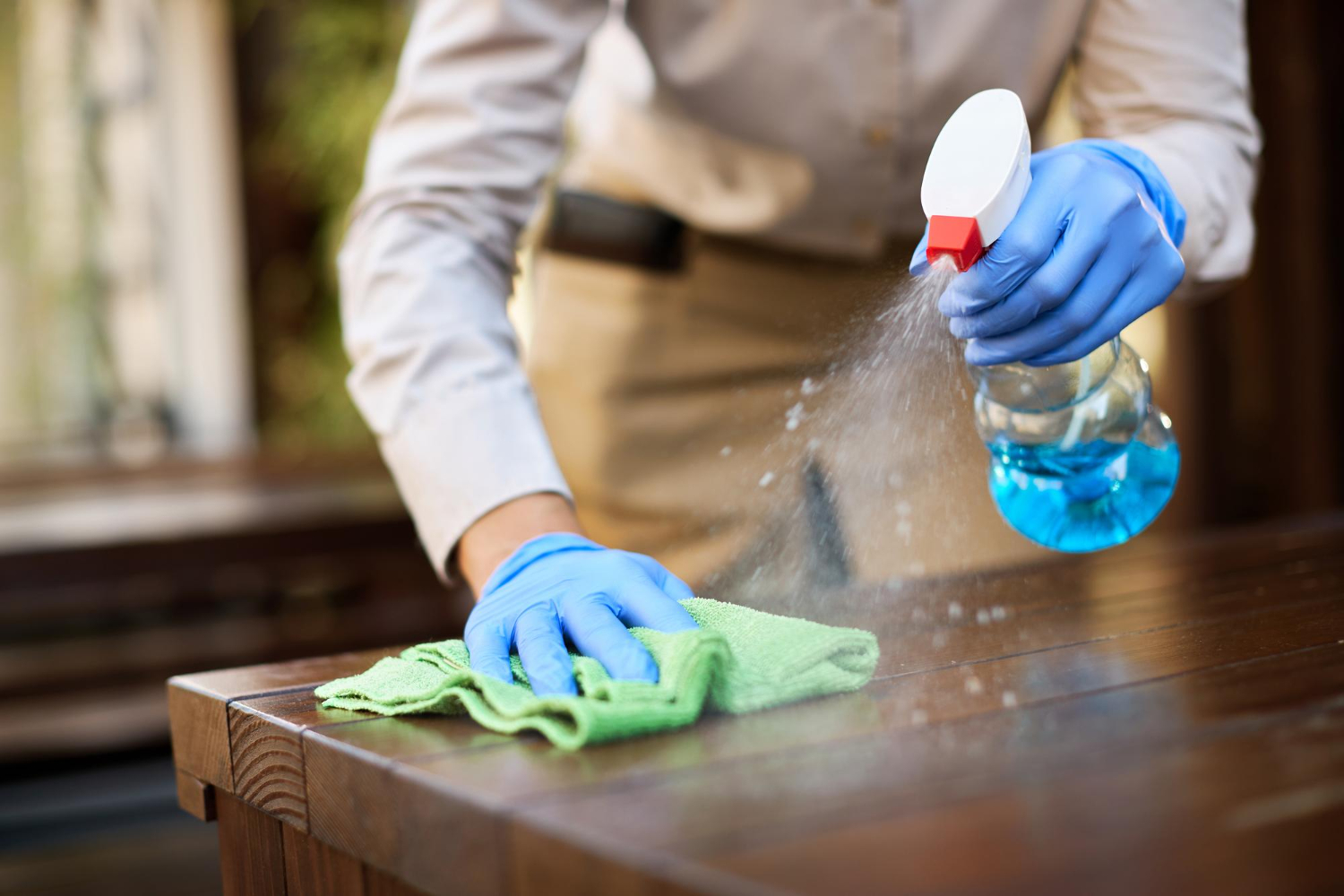
Spot 3: Cooking Equipment
Grills, fryers, ovens, woks and burners all build up carbon and grease. Wiping the outside is not enough, because residue hides behind panels, under burners and inside trays.
Create a deep-clean schedule for each piece of equipment. Follow the maker’s instructions, turn off and cool equipment before cleaning, and use products that are safe for food contact areas where needed. Rinse properly so no cleaning product remains.
For commercial kitchen cleaning singapore operators with limited staff, a periodic deep clean by a professional team can reduce the load. Our cafe and restaurant cleaning page explains how we support food businesses.
Spot 4: Prep Surfaces, Boards and Utensils
Work tables, chopping boards and knives touch food directly, so they need frequent cleaning. Missed areas include table legs, shelves underneath, edges of boards and handles.
Clean first, then sanitise. Removing visible dirt comes before any sanitising step, because sanitiser works best on a clean surface. Replace boards that are deeply scored, as cuts can trap residue.
Colour-coded boards and cloths help prevent cross-contamination between raw and ready-to-eat food. Wash cloths often or use disposable ones, because a dirty cloth just moves dirt around. Check that the products you use are suitable for food areas and follow the label directions for contact time and dilution.
Spot 5: Sinks, Drains and Grease Traps
Sinks look clean but often hide residue around taps, overflow holes and the underside of the basin. Clean these areas as part of the end-of-day routine.
Grease traps are a common source of smells and blockages. Follow the maintenance schedule recommended for your premises and use a qualified contractor where required. A neglected trap can affect the whole kitchen.
Many commercial kitchen cleaning singapore problems start with drainage, so check for slow drains, standing water and odours. If you notice them, deal with the cause early rather than masking the smell.
Standing water can also support pests. The Singapore Food Agency offers food safety guidance for food businesses, including the importance of regular cleaning, good housekeeping and waste management.
Spot 6: Walls, Ceilings and High Surfaces
High surfaces are the most commonly forgotten spot. Light fittings, pipes, shelving tops, ceiling vents and the upper parts of walls collect greasy dust. Over time it can fall onto food areas or equipment below.
Include high surfaces in your commercial kitchen cleaning singapore checklist on a monthly or quarterly basis, depending on your cooking style. Work at height needs trained staff and proper equipment, so do not use unstable chairs or makeshift ladders.
Our high dusting services cover elevated surfaces, and timing can be discussed to suit your opening hours.
Transform Any Space with Expert Cleaning
hCH Cleaning Services provide comprehensive cleaning solutions for every industry, keeping workspaces, production areas, and common areas spotless and hygienic.
Contact UsSpot 7: Chillers, Freezers and Storage Areas
Cold rooms and fridges are easy to forget because the food inside is covered. Door seals, shelf edges, drip trays and floors collect spills and mould. Faulty seals also reduce cooling performance.
Empty and clean units on a regular schedule, and record temperatures as part of your food safety routine. Check that stock is stored off the floor and away from walls so you can clean around it.
Dry storage matters too. Sacks, boxes and open packages attract pests. Keep shelves tidy, use sealed containers and rotate stock so older items are used first. If you see signs of pests, act quickly and consider professional support from our pest control service.
Spot 8: Bins and Waste Areas
Bins, bin centres and waste routes are a major source of smells and pests. Wash bins regularly, not only the lid and handle, and keep the surrounding floor clean.
Separate food waste and general waste according to your site’s arrangements, and empty bins before they overflow. Liquids that leak from bags can leave stains and attract insects, so clean spills straight away.
A complete commercial kitchen cleaning singapore plan includes the back door, the corridor to the bin area and the bin area itself. Larger sites may need regular support, and our waste management service can be part of the discussion.
Common Mistakes to Avoid
Even careful teams fall into a few predictable habits. Watch for these:
- Mixing cleaning products, which can cause harmful reactions
- Skipping the rinse, which leaves residue on food surfaces
- Cleaning in a hurry at closing time, so corners and edges are skipped
- Ignoring drains until a smell appears
- Keeping no record, so nobody knows what was done and when
Most of these problems are fixed by a clear checklist, short staff training and a realistic schedule. If a task cannot be done safely by your team, bring in someone who is trained for it.
A Simple Daily, Weekly and Monthly Routine
Spreading tasks across time keeps the workload realistic. A basic pattern for commercial kitchen cleaning singapore teams looks like this:
- Daily: floors, drains, prep surfaces, sinks, bins and the outside of equipment
- Weekly: deeper equipment cleaning, chillers, shelves and walls near the cooking line
- Monthly or quarterly: high surfaces, storage reorganisation and specialist tasks such as ducts and grease traps, as advised
Adjust the schedule to match your menu and volume. A kitchen that fries heavily will need more frequent degreasing than one that mostly assembles cold dishes. Review the checklist every few months and update it when the layout or menu changes.
Keep a short record of what was done and when. Even a simple tick sheet helps when a manager asks about a smell or a pest sighting, because it shows quickly whether a task was missed or whether the cause lies somewhere else.
How to Choose a Provider for Commercial Kitchen Cleaning Singapore Support
Some tasks are best left to professionals, especially deep cleaning, high-level work and periodic resets. When you compare commercial kitchen cleaning singapore providers, ask clear questions:
- Do they have experience with food premises like yours?
- What products do they use, and are they suitable for kitchens?
- How do they protect food, equipment and electrical points?
- Can they work outside your service hours?
- Who supervises the team, and how do they report issues?
- What is included in the scope and what is not?
Cost depends on kitchen size, level of grease build-up, access, time of work and the tasks needed, so compare scope carefully. Avoid anyone who promises perfect results or skips the site visit. A short walk-through lets a provider recommend what is realistic. For general support beyond the kitchen, see our commercial cleaning services.
Frequently Asked Questions
How often should commercial kitchen cleaning singapore tasks be done? Surfaces that touch food and floors are usually cleaned daily, with deeper tasks weekly or monthly. Confirm the right schedule against your own food safety plan.
Can kitchen staff clean exhaust ducts themselves? Cleaning inside ductwork is specialist work. Staff can wipe reachable surfaces, but the ducts should be handled by a qualified contractor.
What is the difference between cleaning and sanitising? Cleaning removes visible dirt and grease. Sanitising reduces germs on a surface that is already clean, so the order matters.
Does a clean kitchen guarantee a good inspection result? No. Good cleaning supports your food safety standards, but inspections also look at procedures, records and practices. Check the current requirements for your premises.
When should I call a professional? Consider help for deep cleaning, high surfaces, heavy grease build-up or when your team does not have time to keep up.
Conclusion
Commercial kitchen cleaning singapore works best as a routine, not a rescue job. A written checklist, short daily habits and periodic deep cleans keep grease, pests and smells under control, and they make audits and busy services less stressful.
If you would like support with deeper cleaning, visit our cafe and restaurant cleaning page to learn more and speak with our team.
Transform Any Space with Expert Cleaning
hCH Cleaning Services provide comprehensive cleaning solutions for every industry, keeping workspaces, production areas, and common areas spotless and hygienic.
Contact UsRECENT POSTS
-
 Facade Cleaning Company Singapore: 6 Essential Checks for a Safer Hire
-
 Commercial Cleaning Company Singapore: 6 Smart Checks to Avoid Costly Mistakes
-
 Commercial Kitchen Cleaning Singapore: 8 Essential Spots to Avoid Missing
-
 Meeting Room Cleaning Singapore: Why 5 Simple Habits Keep Teams Healthier
-
 Carpet Cleaning Office Singapore Made Easy: 6 Steps to Avoid Stains
-
 Drone Facade Cleaning Singapore: Is It Safer? 5 Smart Facts
-
 High Dusting Services Singapore: 5 Essential Rules on How Often You Really Need It
