
How to Improve Indoor Air Quality in Your Office: 8 Effective Tips for Better Air
How to Improve Indoor Air Quality in Your Office: 8 Effective Tips for Better Air
How to Improve Indoor Air Quality in Your Office: 8 Effective Tips for Better Air
Stuffy meeting rooms, dust that never goes away and tired staff are common complaints in offices. The good news is that most air problems have clear causes, and many can be fixed without big spending. If you want to improve indoor air quality in your workplace, this guide gives eight effective tips you can start using today.
Indoor air quality (IAQ) simply means the condition of the air inside your building and how it affects the people there. The tips below focus on everyday conditions. If you are dealing with haze, see our separate guide on how to improve indoor air quality during haze.
Before You Start: Understand What You Are Dealing With
Many people try to improve indoor air quality by buying a gadget or a spray. But the best results come from knowing what the problem is. High dust, stale air, damp and chemical smells all have different causes and different fixes.
A short walk through your office tells you a lot. Look for stuffy rooms, dust on vents, damp patches, strong smells and areas where complaints repeat. Then use the tips below in the order that fits your findings.
Tip 1: Find the Cause Before You Spend Money
The most effective way to improve indoor air quality is to match the fix to the cause.
- Stuffiness and sleepiness usually point to ventilation and crowding.
- Dust points to filters, sealing, cleaning methods or outdoor air.
- Damp and musty smells point to moisture, leaks or air-conditioning drip trays.
- Chemical smells point to new furniture, paint or products.
If you are not sure, measuring is the quickest way to find out. HCH’s indoor air quality monitoring service tracks seven key indicators around the clock, including temperature, humidity, PM2.5, PM10, carbon dioxide, TVOC and formaldehyde, and it offers a free indoor air quality assessment.
Tip 2: Reduce Pollution at the Source
It is easier to stop pollution than to remove it. To improve indoor air quality, look at what adds particles and gases to your space.
- Do not allow smoking indoors.
- Choose low-odour paints, adhesives and furnishings where possible.
- Keep printers and copiers well maintained.
- Store cleaning products in closed containers and in well-ventilated areas.
- Avoid heavy use of scented sprays and air fresheners.
- Keep stacks of paper and boxes tidy, since they hold dust.
Source control costs little and often makes the biggest difference.
Tip 3: Make Sure Fresh Air Reaches People
Ventilation brings in fresh air and removes stale air. If it is poor, carbon dioxide, moisture and odours build up.
Keep vents clear. Move furniture, boxes and curtains away from supply and return vents.
Avoid overcrowding. Rooms that are used by many people for long periods need more fresh air. Limit meeting sizes or schedule breaks where possible.
Ask about the system. In a shared building, ask building management how fresh air is supplied, how often filters are changed and whether the settings suit your occupancy.
Open windows only when it makes sense. Where windows can open, airing a room helps when outdoor air is good, but keep them closed when the PSI is unhealthy. You can check readings on the NEA website.

Tip 4: Keep Air-Conditioning Filters and Vents Clean
Air-conditioning is central to office comfort, and it is also central to air quality. Filters catch dust and fine particles, but only when they are clean. Dirty filters and vents can hold particles and release them back into the room.
- Clean or replace filters on schedule, and more often in dusty conditions.
- Wipe vents and grilles regularly.
- Ask for service records, and arrange a service if it is overdue.
- Look for water leaks, odours and noises, which can signal a problem.
Making this routine is one of the most cost-effective ways to improve indoor air quality.
Tip 5: Clean Smarter, Not Just More
Cleaning removes dust and contaminants, but the method matters. Dry dusting and sweeping send particles back into the air.
Use damp cloths and vacuums. Damp wiping traps dust, and a vacuum with a good filter captures fine particles.
Do not forget high areas. Dust on ledges, light fittings and ceiling vents falls and recirculates. Periodic high dusting removes it.
Clean carpets and soft furnishings. They trap dust and allergens. A professional carpet cleaning service removes what a vacuum misses.
Disinfect high-touch surfaces. Regular disinfection supports hygiene, although cleaning should come first.
Choose products carefully. Suitable, low-odour products help avoid adding gases to the air.
Professional office cleaning services can follow a plan that matches your air quality goals.
Tip 6: Control Humidity and Moisture
Singapore’s humidity makes moisture control essential. Damp conditions encourage mould and dust mites, and mould can cause odours and irritation.
- Fix leaks quickly and dry wet areas.
- Check around windows, ceilings, washrooms and storage rooms.
- Make sure air can move in corners and storage areas.
- Keep air-conditioning drip trays and drains clear.
- Avoid overcooling rooms, which can lead to condensation.
If you see mould, clean it safely and fix the moisture source. Otherwise it will keep coming back.
Tip 7: Manage New Materials and Renovation Work
New paint, flooring, furniture and partitions can release gases such as volatile organic compounds and formaldehyde, especially in the first weeks.
- Plan renovation so that ventilation is strong during and after the work.
- Allow materials to air before staff move back in.
- Choose lower-emission materials where you can.
- Measure the air after the work, to see whether gases are elevated.
If readings or smells suggest a problem, specialist formaldehyde and VOC removal can help treat the space.
Tip 8: Measure, Act and Check Again
The final tip ties everything together. To keep improving, you need to know whether your changes work.
- Measure the air to get a baseline.
- Act on the main findings, starting with the simple fixes.
- Check again after a few weeks to see what changed.
- Keep monitoring so that new problems show up early.
Continuous monitoring with alerts and reports makes this loop easier, and it provides evidence for management and landlords. HCH’s service also offers optional corrective treatments when the data shows a problem.
How to Improve Indoor Air Quality in Different Parts of the Office
Each area has its own typical problems, so a few targeted steps help.
Reception and entrances. Dust and outdoor particles come in here first. Use good entrance mats, keep doors closed and clean floors often.
Open-plan areas. Many people share the same air. Keep vents clear, tidy desks so cleaners can wipe surfaces and check that airflow reaches all zones.
Meeting rooms. Carbon dioxide and heat build up quickly. Limit numbers, schedule breaks and make sure vents are not blocked.
Pantry. Food waste and spills create odours and attract pests. Clean surfaces and empty bins daily, and keep the area dry.
Storage rooms. Poor airflow and dampness lead to mould and dust. Keep items off the floor, leave space between shelves and check for leaks.
Washrooms. Make sure drains and traps work, ventilation fans run and surfaces dry quickly.
A little attention to each area makes it easier to improve indoor air quality across the whole office, not just in one room.
Transform Any Space with Expert Cleaning
hCH Cleaning Services provide comprehensive cleaning solutions for every industry, keeping workspaces, production areas, and common areas spotless and hygienic.
Contact UsWhat About Air Purifiers and Plants?
Air purifiers can reduce particles in a room if they are the right size and their filters are changed as recommended. They support the tips above but do not replace ventilation, clean air-conditioning or cleaning.
Plants are pleasant, but they do not clean the air quickly enough to make a noticeable difference in an office.
Quick Wins and Bigger Projects
Quick wins (this week): clear blocked vents, switch to damp wiping, empty and clean bins, fix visible leaks and stop using strong sprays.
Medium projects (this month): clean or replace air-conditioning filters, schedule a deep clean of carpets and high areas, and review ventilation in crowded rooms.
Bigger projects (this year): adjust or upgrade ventilation with building management, set up continuous monitoring and plan renovation with air quality in mind.
Frequently Asked Questions
What is the fastest way to improve indoor air quality? Clear blocked vents, clean air-conditioning filters, switch to damp wiping and vacuuming and remove obvious sources such as strong sprays. These steps are quick and low cost.
How long does it take to see results? Some improvements, such as fresher-feeling rooms, can appear within days. Others, such as lower humidity or fewer complaints, may take weeks. Measuring helps you see the change.
Do I need an air purifier to improve indoor air quality? Not necessarily. A purifier can help in some rooms, but ventilation, filters, cleaning and moisture control usually matter more.
Who is responsible for improving indoor air quality in a shared building? Responsibility is often shared. Building management usually controls central systems, and tenants control their own space and how it is used.
Can cleaning alone fix poor air quality? Cleaning helps a lot, but it cannot fix poor ventilation or a leak. A mix of cleaning, maintenance and measurement works best.
Final Thoughts
To improve indoor air quality in your office, find the cause, cut pollution at the source, bring in fresh air, keep air-conditioning clean, clean smartly, control moisture, manage new materials and measure the results. Small, steady changes add up to fresher air and a more comfortable workplace. To see what is really in your air, explore our indoor air quality monitoring service.
Transform Any Space with Expert Cleaning
hCH Cleaning Services provide comprehensive cleaning solutions for every industry, keeping workspaces, production areas, and common areas spotless and hygienic.
Contact UsRECENT POSTS
-
 Meeting Room Cleaning Singapore: Why 5 Simple Habits Keep Teams Healthier
-
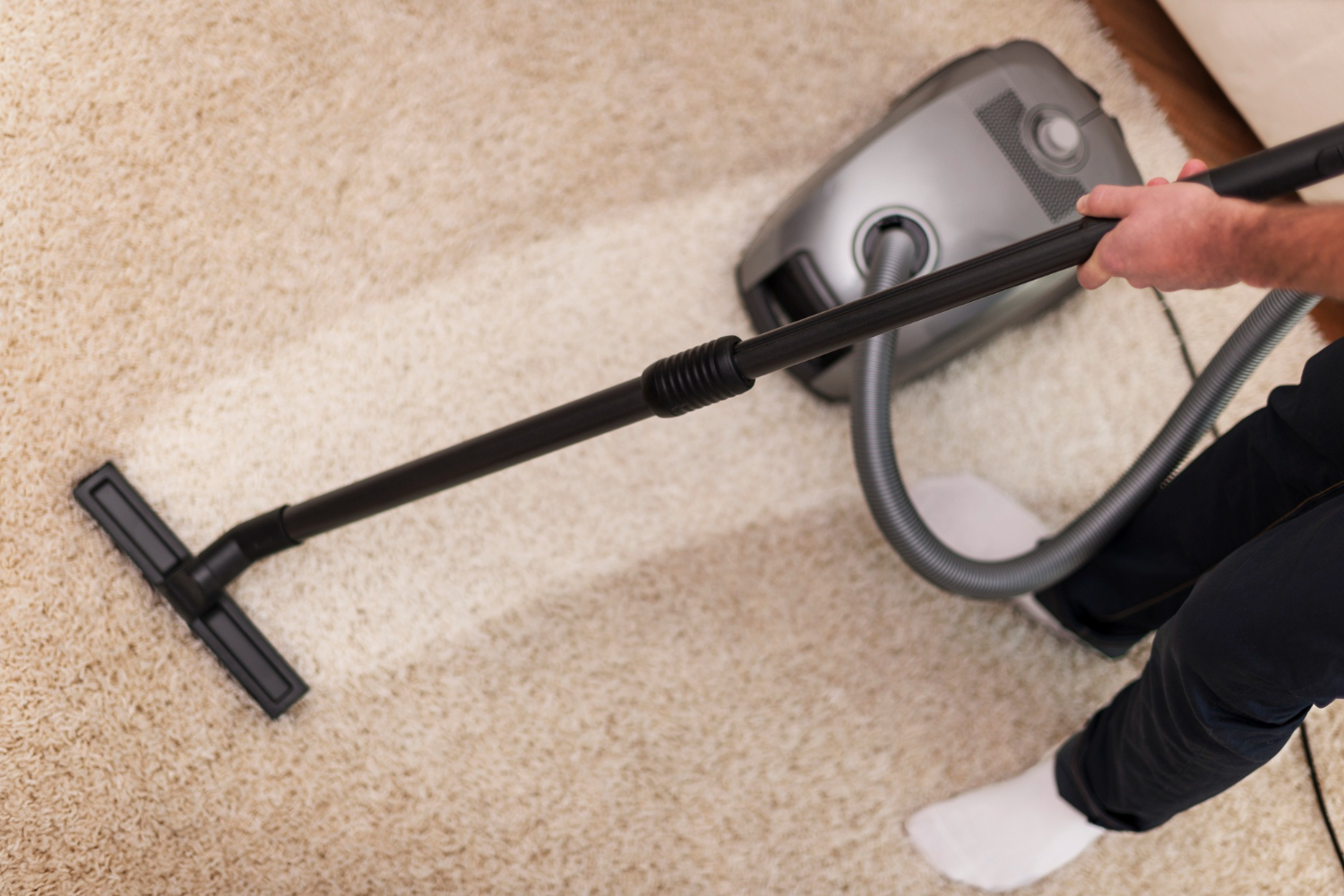 Carpet Cleaning Office Singapore Made Easy: 6 Steps to Avoid Stains
-
 Drone Facade Cleaning Singapore: Is It Safer? 5 Smart Facts
-
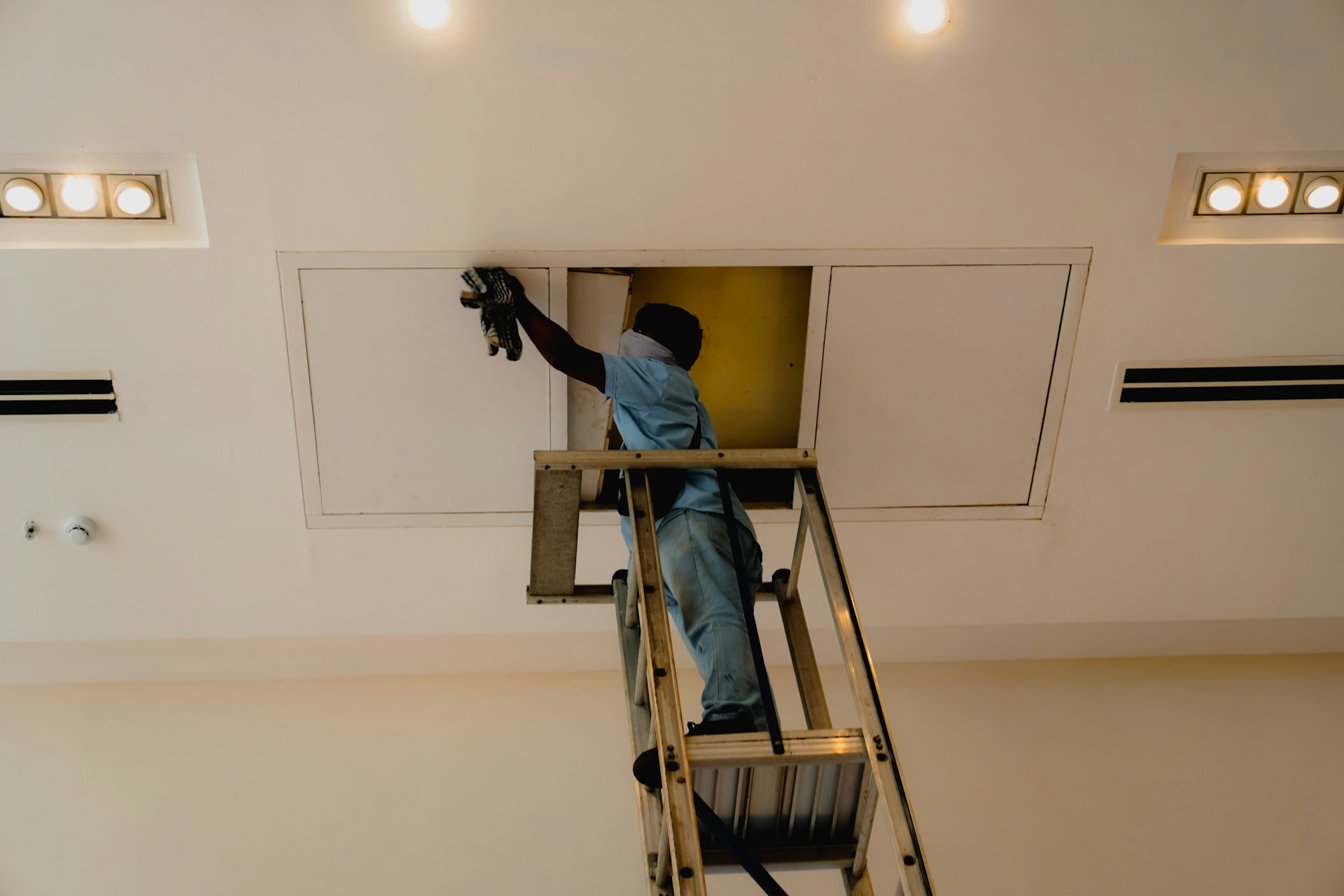 High Dusting Services Singapore: 5 Essential Rules on How Often You Really Need It
-
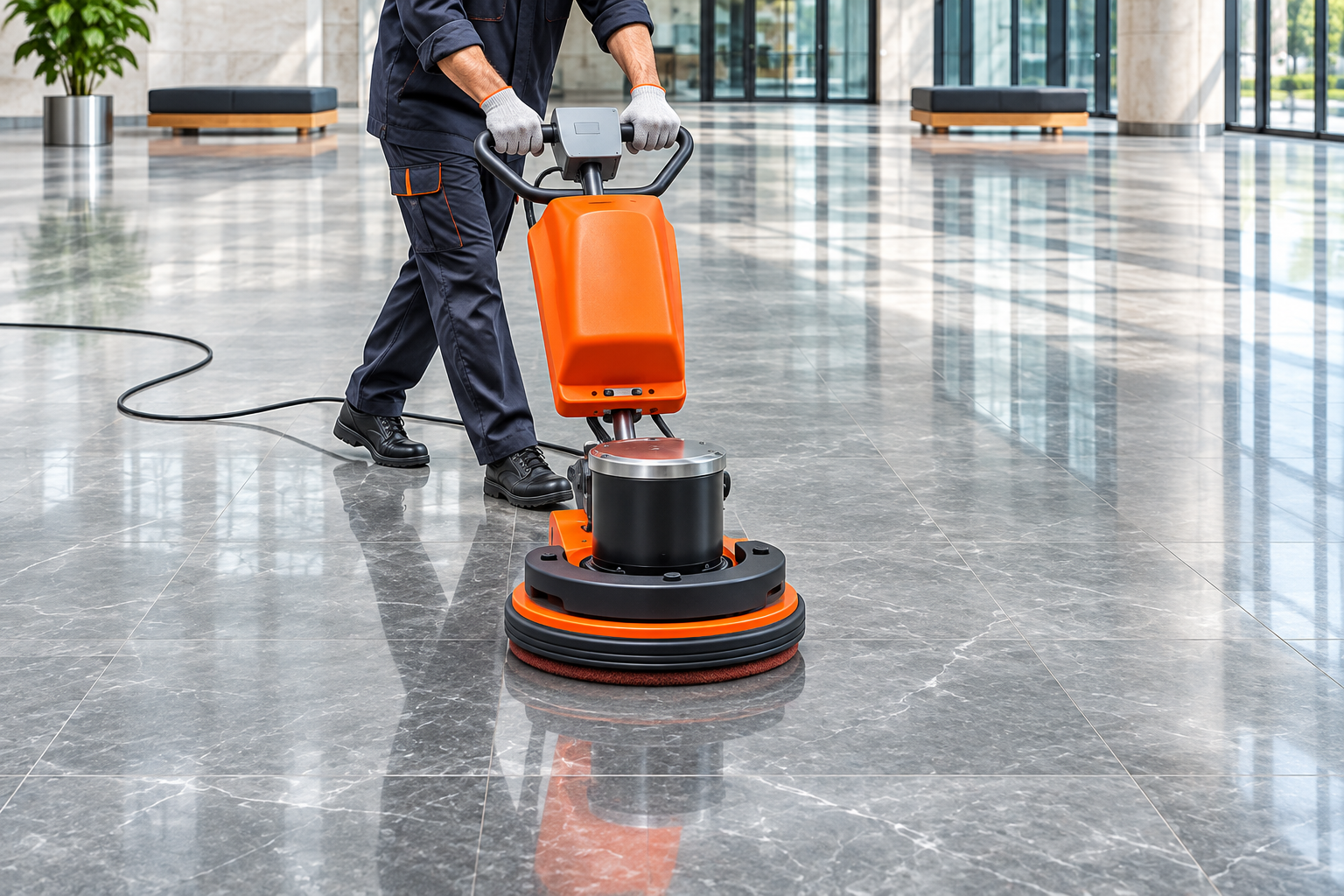 Floor Scrubbing Service Singapore: 6 Essential Differences From Mopping Every Business Should Know
-
 Preschool Cleaning Services Singapore: 8 Essential Year-End Deep Clean Tasks for a Safer Centre
-
 How to Improve Indoor Air Quality in Your Office: 8 Effective Tips for Better Air
