
Indoor Air Quality Office: 6 Essential Signs Your Workplace Air Needs Attention
Indoor Air Quality Office: 6 Essential Signs Your Workplace Air Needs Attention
Indoor Air Quality Office: 6 Essential Signs Your Workplace Air Needs Attention
Most people notice the temperature of an office long before they notice the air. But the air matters just as much. In a typical workplace, people spend eight hours or more breathing the same air, and small problems add up. Indoor air quality office problems are rarely dramatic. They show up as small, everyday signs that are easy to ignore.
This guide explains six essential signs that your workplace air may need attention, and what to do about them. Indoor air quality (IAQ) simply means the condition of the air inside your building and how it affects the people there.
Why Offices Are Prone to Air Problems
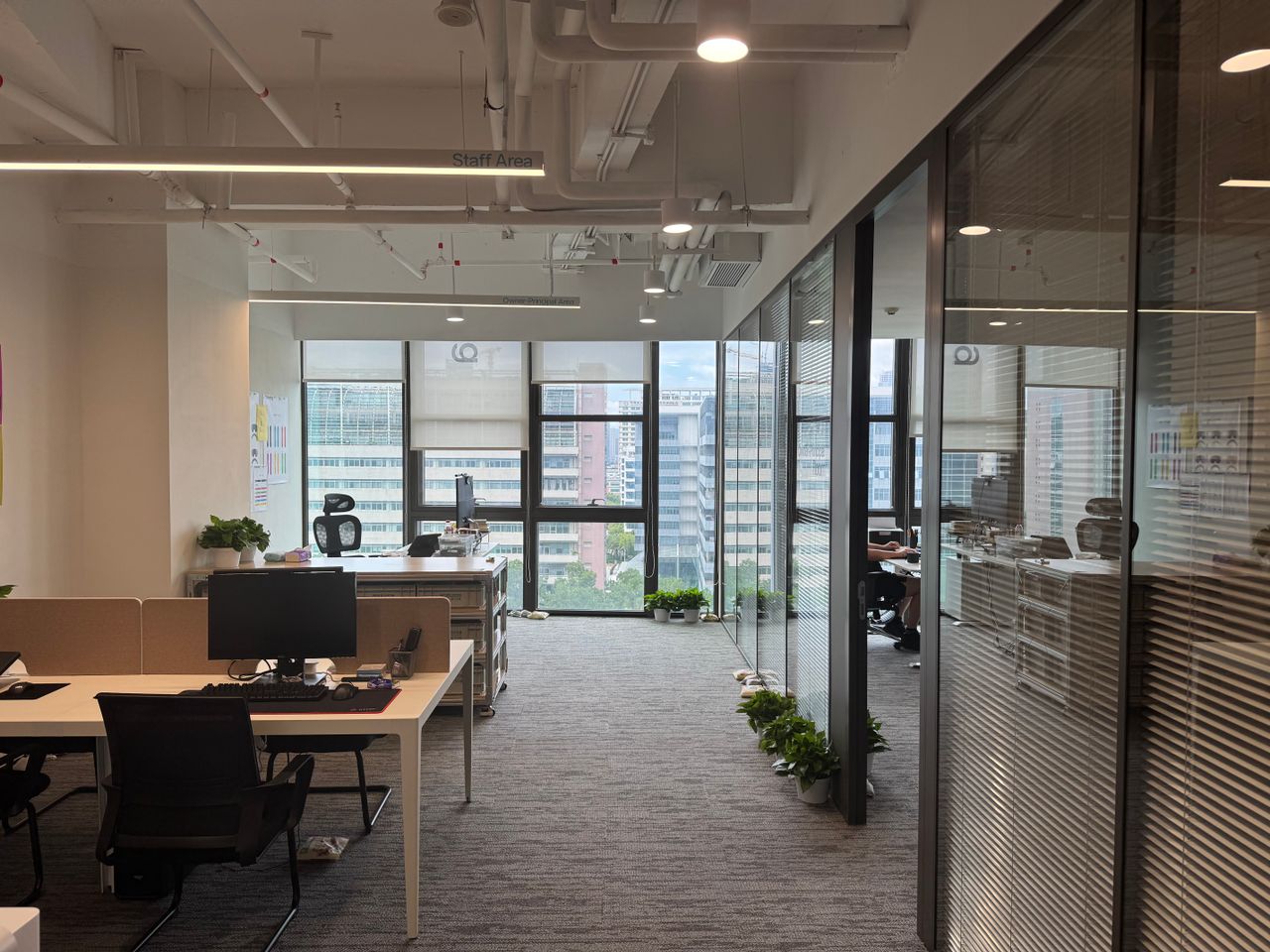
Offices have a few things in common that make air quality harder to manage.
- Sealed, air-conditioned spaces. Windows are usually closed, so fresh air depends on the ventilation system.
- Many people in one room. Each person adds carbon dioxide, moisture and heat to the space.
- Equipment and materials. Printers, carpets, partitions and furniture can release dust and gases.
- Shared systems. In multi-tenant buildings, the central air-conditioning is often managed by building management, not by you.
- Outdoor influence. In Singapore, haze, traffic and construction can add fine particles to the air that is drawn into the building.
Because so many factors are involved, an indoor air quality office issue is rarely caused by one thing. That is why spotting the signs early helps.
1. Meeting Rooms Feel Stuffy, and People Get Sleepy
If a meeting room feels warm and heavy after half an hour, and people start yawning or losing focus, the room may not be getting enough fresh air. Carbon dioxide rises when many people share a closed room, and it is a good indicator of how well the ventilation is working.
What to try. Reduce the number of people in the room if possible, take short breaks and check that the vents are not blocked. If the problem repeats, measuring carbon dioxide over time will show whether ventilation is the cause.
2. Dust Returns Soon After Cleaning
Dust is normal, but if desks, shelves and ledges look dusty again within a day or two of cleaning, something is adding more than usual. It may be dirty air-conditioning filters or vents, poor sealing around doors and windows, dust from outside or even activity nearby, such as construction.
What to try. Check the vents and filters for visible dust, ask your cleaners to use damp wiping and vacuuming instead of dry dusting, and look at how outdoor air enters the building. Periodic high dusting can remove dust from ceilings, ledges and fittings that daily cleaning misses.
3. A Musty or Stale Smell That Will Not Go Away
Odours are one of the clearest signals. A musty smell often points to damp areas, mould or dirty air-conditioning components. A stale smell can mean poor air circulation. Food waste, blocked drains and unwashed pantry areas add their own smells.
What to try. Look for leaks, damp patches and wet carpets. Check pantry and bins, and make sure washrooms and drains are clean. Do not cover smells with sprays, because they do not remove the source and can add more chemicals to the air.
4. Staff Complain of Headaches, Dry Throats or Itchy Eyes
If several people mention headaches, dry or scratchy throats, irritated eyes or a feeling of tiredness at work, and these ease when they leave the building, the air may be a factor.
These symptoms have many possible causes, so avoid jumping to conclusions. But when they cluster in one area or follow a pattern, it is a good reason to look closer. Keep a simple record of complaints, noting the place and time, so patterns become visible.
What to try. Check ventilation, filters and humidity in the affected area, and consider measuring the air there. For health concerns, staff should speak to a doctor.
5. Humidity, Condensation or Damp Spots
Condensation on windows, damp patches on ceilings, peeling paint, or a clammy feeling in some rooms are signs of excess moisture. Singapore’s humid climate makes this common, and moisture feeds mould and dust mites.
Very dry air can also be a problem. Overcooled rooms can dry out eyes, noses and throats, and cause discomfort even when the air is clean.
What to try. Find the source of any leaks, adjust air-conditioning settings where possible and keep an eye on problem corners and storage rooms. Humidity readings over time help show whether conditions are stable.
6. The Air-Conditioning Is Noisy, Uneven or Smells Odd
Air-conditioning shapes the whole indoor environment. Warning signs include hot and cold spots, weak airflow, unusual noises, water leaks near units and a smell when the system starts up.
These signs can mean dirty filters, blocked vents or an overdue service. Dirty systems can also push dust and other particles back into rooms.
What to try. Ask your maintenance team or building management when the system was last serviced and when filters and vents were last cleaned. Make sure furniture and storage are not blocking vents.
What to Do First: Simple Indoor Air Quality Office Checks
Before you spend any money, walk through the office with a notebook and look for the following.
- Dust on vents, ledges and fittings.
- Dirty or blocked air-conditioning vents and filters.
- Damp patches, leaks or condensation.
- Rooms that feel stuffy when full.
- Odours near pantries, bins, washrooms and drains.
- Areas where complaints keep repeating.
Write down what you find. These notes help you or any specialist focus on the right areas, and they make it easier to tell whether your fixes work.
How Office Air Affects Work
Air quality is not only a health topic. It affects how a workplace functions every day. People in stuffy, dusty or uncomfortable rooms tend to lose focus sooner, take more breaks and complain more. Meetings feel longer, and small irritations build up.
On the other hand, a workplace with fresh, well-managed air feels calmer and easier to work in. Managing indoor air quality office spaces rely on is therefore a practical investment in comfort, concentration and staff satisfaction, not just a technical task.
A Five-Minute Weekly Air Check for Office Managers
You do not need special skills to keep an eye on your air. A short weekly routine is enough to catch many problems early.
- Walk through the busiest rooms and notice how the air feels and smells.
- Look at air-conditioning vents for visible dust or blockages.
- Check for damp patches, leaks and condensation.
- Ask a few staff if anyone has noticed stuffiness or discomfort.
- Note anything unusual and follow up with maintenance or cleaning.
Keep these notes in one place. Over a few weeks, they show patterns that are easy to miss day to day.
Transform Any Space with Expert Cleaning
hCH Cleaning Services provide comprehensive cleaning solutions for every industry, keeping workspaces, production areas, and common areas spotless and hygienic.
Contact UsCommon Myths About Office Air
“If it looks clean, the air is clean.” Fine particles and gases are invisible, so a spotless office can still have air problems.
“A strong fragrance means a fresh office.” Fragrances only cover smells and can add chemicals to the air.
“Air-conditioning always cleans the air.” It cools the air, but dirty filters and vents can make air quality worse.
“It only matters during haze.” Indoor problems such as poor ventilation, humidity and dust can exist all year.
“Only big offices need to worry.” Small offices can feel the effects even faster, since a few people share one room and one unit for hours.
Clearing up these myths helps everyone focus on the steps that really improve indoor air quality office teams breathe every day.
When to Measure Your Indoor Air Quality Office Conditions
Signs tell you that something may be wrong, but they do not tell you what. Measuring does. HCH’s indoor air quality monitoring service tracks seven key indicators around the clock, including temperature, humidity, PM2.5, PM10, carbon dioxide, TVOC and formaldehyde, with alerts, dashboards and reports. It also offers a free indoor air quality assessment, so you can find out what you are really breathing.
Measuring is especially useful if complaints keep returning, after a renovation, during haze, or when you move into a new space. If haze is a concern, our guide to how to protect your office from haze gives practical steps.
How Cleaning and Maintenance Help
Good indoor air quality office management is a team effort. Regular cleaning removes dust, moisture and contaminants before they build up, and maintenance keeps the systems working.
- Damp wiping and vacuuming reduce settled dust.
- Carpet cleaning removes dust and allergens that carpets hold.
- Air-conditioning filter and vent cleaning stop particles from recirculating.
- Prompt repairs for leaks prevent mould.
- Tidy storage and clear vents let air move freely.
Professional office cleaning services can handle the routine and periodic cleaning, while your maintenance team looks after the systems.
Frequently Asked Questions
How do I know if my office has poor air quality? Watch for stuffy rooms, returning dust, odours, staff complaints, damp spots and air-conditioning problems. If several appear, it is worth measuring.
Is poor indoor air quality in an office dangerous? Usually it causes discomfort and reduced concentration rather than serious harm, but it can affect sensitive people more. For health concerns, follow medical advice. The NEA website has general information on air quality in Singapore.
Who is responsible for indoor air quality office conditions in a rented building? Responsibility is often shared. Building management usually controls central systems, and tenants control their own space and how it is used. Share findings and work together.
Can staff help improve the air? Yes. Keeping desks tidy, reporting leaks and odours, not blocking vents and avoiding strong sprays all help.
How often should an office check its air? Many offices review it every year or two, with extra checks after renovation, during haze or when complaints return. Continuous monitoring makes this easier.
Final Thoughts
Indoor air quality office problems usually announce themselves in small ways: stuffy rooms, returning dust, odours, tired staff, damp spots and unreliable air-conditioning. Notice the signs, do the simple checks, and measure when you need facts. A small effort now keeps your workplace more comfortable and shows your staff that their wellbeing matters. To find out what is really in your air, explore our indoor air quality monitoring service.
Transform Any Space with Expert Cleaning
hCH Cleaning Services provide comprehensive cleaning solutions for every industry, keeping workspaces, production areas, and common areas spotless and hygienic.
Contact UsRECENT POSTS
-
 Facade Cleaning Company Singapore: 6 Essential Checks for a Safer Hire
-
 Commercial Cleaning Company Singapore: 6 Smart Checks to Avoid Costly Mistakes
-
 Commercial Kitchen Cleaning Singapore: 8 Essential Spots to Avoid Missing
-
 Meeting Room Cleaning Singapore: Why 5 Simple Habits Keep Teams Healthier
-
 Carpet Cleaning Office Singapore Made Easy: 6 Steps to Avoid Stains
-
 Drone Facade Cleaning Singapore: Is It Safer? 5 Smart Facts
-
 High Dusting Services Singapore: 5 Essential Rules on How Often You Really Need It
