
Indoor Air Quality Testing Singapore: 6 Signs Your Office Needs It Now
Indoor Air Quality Testing Singapore: 6 Signs Your Office Needs It Now
Indoor Air Quality Testing Singapore: 6 Signs Your Office Needs It Now
Most offices only think about air quality when the sky turns grey. Yet indoor air problems can exist all year round without anyone realising, and people spend most of their working day breathing the air inside the building. Indoor air quality testing Singapore businesses arrange gives an objective measurement of what is actually in the air, instead of relying on guesswork, comfort complaints or the outdoor haze reading.
This guide is for office managers, facilities teams, business owners and anyone responsible for a workplace who is thinking about indoor air quality testing Singapore wide. It explains what indoor air quality means, the six warning signs that suggest your office may need a test, what a test measures, how to read and act on the results, and how regular cleaning, disinfection and maintenance support better air.
You do not need technical knowledge to use it. The aim is to help you recognise when something may be wrong, ask the right questions and decide on sensible next steps.
What Indoor Air Quality Means and Why It Matters in the Workplace
Indoor air quality describes the condition of the air inside a building and how it affects the people who occupy it. It covers temperature, humidity, ventilation, and the presence of particles, gases and microorganisms. Good indoor air feels fresh and comfortable. Poor indoor air can cause discomfort, reduce concentration and, in some cases, affect health.
Offices are especially prone to air quality problems for a few reasons. They are usually sealed, air-conditioned spaces with limited fresh air. Many people share the same room, which raises carbon dioxide levels. Carpets, furniture, printers and cleaning products can release compounds into the air. And ventilation systems that are not cleaned or maintained can circulate dust, moisture and contaminants instead of removing them.
Singapore’s climate makes this more challenging. High humidity encourages mould and dust mites. Heat means air-conditioning runs for long hours. And the region experiences haze episodes that send fine particles into the air for days or weeks.
For employers, the reasons to care are practical. Staff who feel comfortable and alert are more productive. Fewer complaints and sick days reduce disruption. And a well-maintained, healthy building supports your reputation with employees, clients and visitors. Singapore’s Workplace Safety and Health framework also expects employers to manage risks to people at work, and a healthy indoor environment is part of that picture.
Indoor air quality testing Singapore businesses commission is the way to turn these general concerns into specific facts. Instead of wondering whether your air is the problem, a test tells you what is present and in what quantity. With that information, you can choose the right fix instead of spending money on the wrong one.
1. Staff Frequently Report Headaches or Fatigue
If employees regularly mention feeling tired, foggy, or headachy during work hours — especially if symptoms ease once they leave the building — poor ventilation or indoor pollutants could be a contributing factor worth investigating.
2. Noticeable Musty or Stale Odours
A persistent musty smell, even after regular cleaning, often points to mould growth or poor air circulation somewhere in the building, particularly in humid climates like Singapore’s.
3. Visible Condensation or Dampness
Condensation on windows, damp patches on walls or ceilings, and persistently humid-feeling rooms are all signs that moisture levels indoors may be higher than they should be — conditions that can also encourage mould and dust mite growth.
4. Your Building Is Older or Has Ageing Ventilation Systems
Older office buildings may have ventilation systems that haven’t been upgraded alongside changing occupancy or usage patterns, which can affect how well air is actually being circulated and filtered.
5. You're Located Near Construction or High-Traffic Roads
External pollutants from nearby construction sites or heavy traffic can infiltrate indoor spaces more than people realise, particularly in older buildings with less effective sealing or filtration.
6. It's Been a While Since Your Last Disinfection Services Singapore Review
Air quality and surface hygiene often go hand in hand. If it’s been a long time since your last proper review of disinfection services Singapore your office uses, it may be worth bundling an air quality check into the same conversation with your provider, since both relate to overall workplace health.
Transform Any Space with Expert Cleaning
hCH Cleaning Services provide comprehensive cleaning solutions for every industry, keeping workspaces, production areas, and common areas spotless and hygienic.
Contact UsWhat Indoor Air Quality Testing Actually Measures
A proper test typically looks at particulate matter levels (including PM2.5), carbon dioxide concentration as an indicator of ventilation adequacy, humidity levels, and sometimes volatile organic compound (VOC) presence from furnishings, paints, or cleaning products. This gives a clear, measurable baseline rather than relying on how a space merely looks or smells.
What to Do With the Results
If testing reveals an issue, the response usually involves a combination of improved ventilation, more frequent air-conditioning filter cleaning, and in some cases, addressing a specific moisture or mould source directly. An office cleaning company Singapore businesses already work with can often help implement some of these changes as part of an adjusted cleaning scope, particularly around filter and surface maintenance.
Common Indoor Air Pollutants in Offices
Understanding what a test looks for makes the results easier to act on. In a typical office, the most common concerns are fine particles (PM2.5) that come in from outdoors, especially during haze; carbon dioxide, which rises when many people share a room with poor ventilation; volatile organic compounds, which can come from paint, new furniture, carpets and some cleaning products; mould spores, which grow where humidity stays high; and ordinary dust that settles and is stirred up again.
Each of these has different causes and different fixes, which is why measuring first is better than guessing.
Why Indoor Air Can Differ From Outdoor Readings
Daily PSI readings from the National Environment Agency describe outdoor air. They are useful, but they do not tell you what is happening inside your own building. Indoor air depends on ventilation, filters, how many people are in the space, what the building is made of and how well it is maintained.
Two offices on the same street can have very different indoor air on the same day. That is the main reason indoor air quality testing Singapore businesses arrange gives more useful information than outdoor readings alone.
How Regular Cleaning Supports Better Indoor Air
Cleaning does not replace testing, but it directly affects air quality. Dust that settles on surfaces and carpets is easily disturbed and returns to the air. Air-conditioning vents and filters collect fine particles and can push them back into the room when they are not cleaned. Damp areas that are never dried or cleaned can grow mould.
Regular dusting, vacuuming with suitable equipment, vent and filter cleaning, and attention to damp areas all reduce what ends up in the air. Periodic disinfection of shared surfaces supports overall workplace hygiene as well.
Building a Simple Air Quality Routine
You do not need a complicated system to stay on top of this. A practical routine is to check outdoor PSI during haze-prone periods and adjust ventilation and cleaning accordingly, include vent and filter cleaning in the regular cleaning schedule, keep an eye on humidity and any damp spots, and respond quickly to staff comments about stuffiness or odours.
Then arrange indoor air quality testing Singapore offices can rely on every year or two, or sooner if any of the warning signs above appear, so that you have a measured baseline to compare against.
When to Retest Your Office Air Quality
A single test gives a useful baseline, but conditions change. It is sensible to retest after a renovation or fit-out, since paint, flooring and new furniture can release volatile compounds. Retesting also makes sense after a major change to the air-conditioning or ventilation system, after a prolonged haze episode, or when staff start raising comments about stuffiness, odours or discomfort again.
Keeping the results from each test lets you compare over time and see whether changes to cleaning, ventilation or maintenance are actually making a difference. That is the real value of indoor air quality testing Singapore offices carry out regularly instead of once.
Frequently Asked Questions
How often should offices arrange indoor air quality testing Singapore wide? There is no universal rule, but testing every one to two years is a reasonable baseline, with more frequent checks if any of the warning signs appear or after renovation or system changes.
What does indoor air quality testing Singapore offices arrange usually measure? Typical tests measure fine particles, carbon dioxide, temperature and relative humidity. Depending on your concerns, they may also measure volatile organic compounds, other gases or mould-related indicators.
Is poor air quality always obvious from odour alone? No. Some pollutants, including elevated carbon dioxide and fine particles, have no detectable smell, which is why testing provides more reliable information than relying on your senses alone.
Does better air quality really affect productivity? Studies have generally linked poor ventilation and elevated carbon dioxide levels to reduced concentration and increased fatigue, so it is reasonable to consider air quality as part of workplace wellbeing.
Is indoor air quality testing Singapore offices use necessary if PSI readings look normal? PSI reflects outdoor conditions, not what is happening inside your building. Testing gives a direct reading of your actual indoor environment, which can differ from outdoor readings.
Can cleaning alone fix poor air quality? Cleaning helps by removing dust, moisture and contaminants, but it cannot fix a ventilation system that does not supply enough fresh air or a leak that keeps causing damp. Testing helps identify which combination of fixes you need.
Do air purifiers solve the problem? They can help with particles in some situations, but they do not fix the source of a problem, and they do not address issues like carbon dioxide or humidity. Test first, then choose solutions that match the findings.
Should disinfection be part of an air quality plan? Disinfection supports overall hygiene by reducing germs on surfaces, and it works best together with cleaning, ventilation and maintenance. It is one part of the plan, not a substitute for the others.
Who is responsible for air quality in a multi-tenant building? Responsibility is often shared between the building owner or management, who control central systems, and the tenant, who controls their own space and its use. Share your findings and work together.
Final Thoughts
If any of the warning signs in this guide sound familiar, indoor air quality testing Singapore offices arrange can provide real answers instead of guesswork. Staff discomfort, persistent odours, dampness, an older ventilation system, nearby pollution sources and an overdue cleaning review are all good reasons to measure instead of assume.
Start by noting what you have observed, ask your building management about maintenance and then consider a test to establish a baseline. Combine the results with regular cleaning, disinfection and maintenance, and review them over time. To explore how we can help, read about our disinfection and hygiene services and talk to us about a plan for your workplace.
Transform Any Space with Expert Cleaning
hCH Cleaning Services provide comprehensive cleaning solutions for every industry, keeping workspaces, production areas, and common areas spotless and hygienic.
Contact UsRECENT POSTS
-
 How to Improve Indoor Air Quality During Haze: 8 Effective Tips to Breathe Easier
-
 Protect Office From Haze Singapore: 7 Essential Steps for a Safer Workplace
-
 Haze Indoor Air Quality Singapore: 5 Essential Facts to Protect Your Health
-
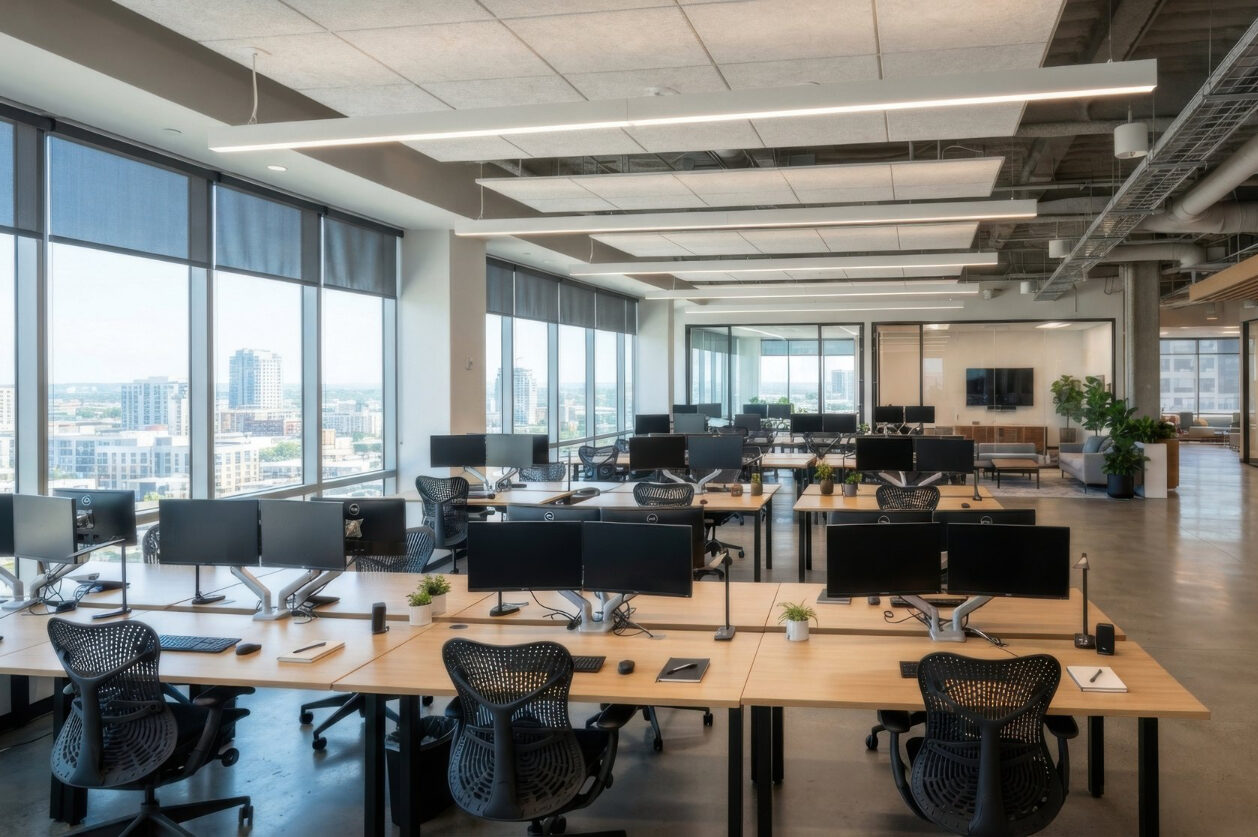 Indoor Air Quality Testing Singapore: 6 Signs Your Office Needs It Now
-
 Childcare Cleaning Service Singapore: 7 Essential Areas for a Safer Centre
-
 Warehouse Cleaning Services Singapore: 8 Essential Checklist Items You Can't Skip
-
 Office Cleaning Tips Singapore: 10 Proven Ways to Avoid a Messy Workplace
