
Office Cleaning Services for SMEs vs Large Corporations: What’s the Difference?
The reasons why you should engage a regular carpet cleaning for your office space
Office Cleaning Services for SMEs vs Large Corporations: What’s the Difference?
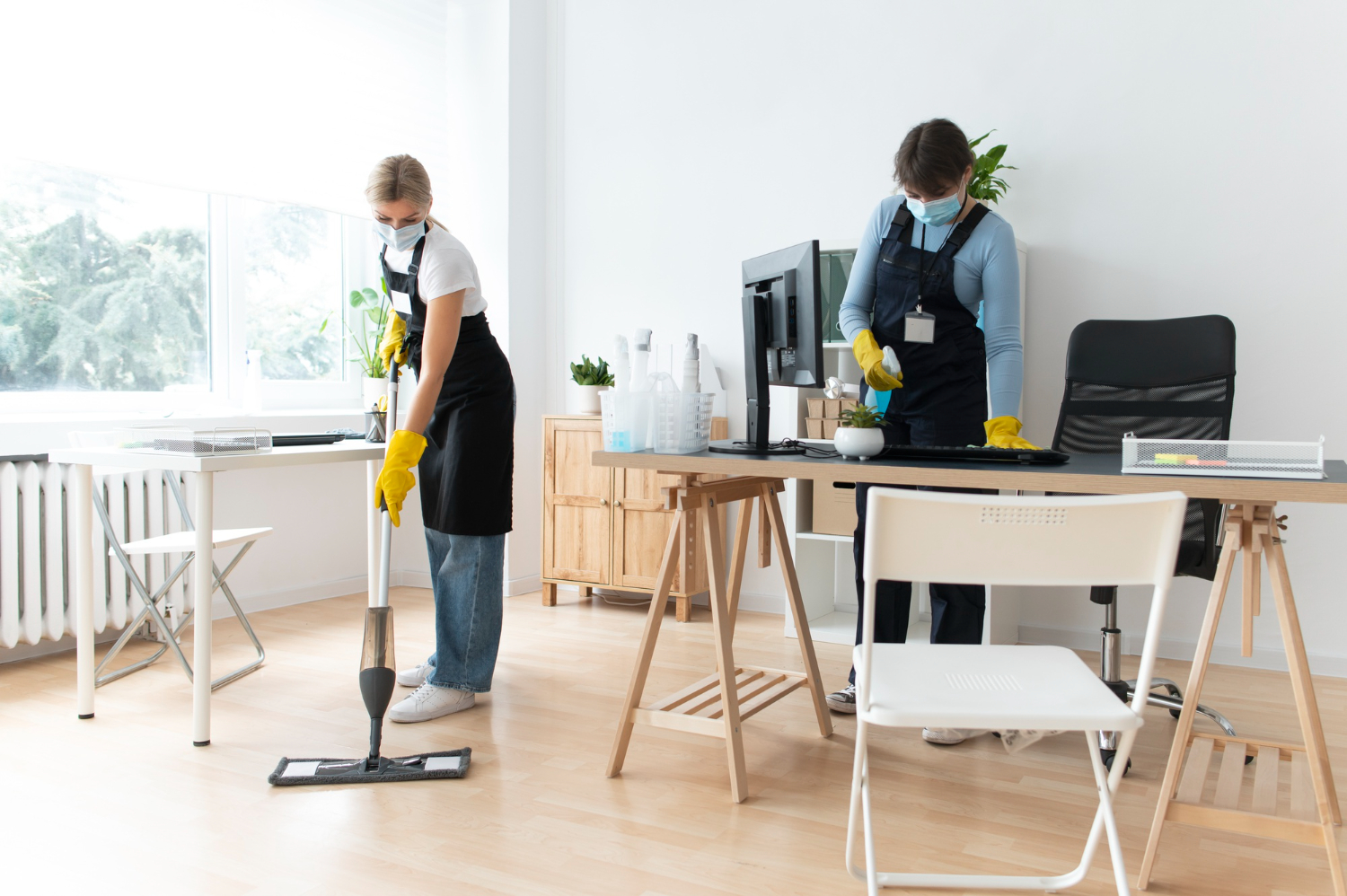
A clean and well-maintained office is more than just a pleasant workspace—it is a critical factor in employee productivity, workplace safety, and professional image. While small and medium-sized enterprises (SMEs) and large corporations both rely on professional office cleaning services, their needs, expectations, and operational requirements vary considerably.
From office size and cleaning frequency to compliance standards and budget structures, the scale of an organization significantly influences how office cleaning services are planned and delivered. Understanding these differences helps business owners and facility managers select cleaning solutions that are both effective and cost-efficient.
1. Office Size, Layout, and Operational Complexity
SMEs: Smaller and More Manageable Spaces
SMEs typically operate from:
- Small offices
- Shared or co-working spaces
- Retail offices or single-floor suites
These workplaces generally have fewer departments, lower foot traffic, and limited shared facilities. As a result, cleaning requirements are typically uncomplicated and efficient, centered on routine cleanliness rather than multifaceted facility demands.
The smaller scale allows cleaning crews to work efficiently, completing tasks quickly while minimizing disruption to daily operations.
Large Corporations: Large, Multi-Zone Facilities
Large corporations often occupy:
- Multiple floors within a building
- Entire office towers
- Corporate headquarters or business campuses
These spaces may include lobbies, executive offices, open work areas, conference rooms, cafeterias, training rooms, gyms, and server rooms. Cleaning such environments requires zone-based planning, with different schedules, methods, and security considerations for each area.

2. Cleaning Frequency and Scheduling Needs
SMEs: Flexible and Periodic Cleaning
Most SMEs choose:
- Daily light cleaning
- Cleaning two to three times per week
- Evening or early-morning cleaning schedules
SMEs have fewer employees and visitors, resulting in less wear and tear on the office. Cleaning services can therefore be adapted easily to seasonal demands, staffing levels, or budget constraints.
Large Corporations: Continuous and Shift-Based Cleaning
Large corporations typically require:
- Daily cleaning across all areas
- Multiple cleaning shifts throughout the day
- On-site cleaners during business hours
High-traffic areas such as restrooms, break rooms, and shared spaces often require multiple cleanings throughout the day. In such environments, cleaning is treated as an ongoing operational function rather than a task limited to after-hours.
3. Scope of Cleaning Services
SMEs: Essential Office Cleaning Tasks
SMEs usually focus on core services, including:
- Vacuuming and mopping floors
- Wiping desks and shared workstations
- Cleaning restrooms and break rooms
- Emptying trash and recycling bins
Specialized services such as carpet deep cleaning or window washing are usually scheduled monthly or quarterly rather than performed as part of routine cleaning.
Large Corporations: Comprehensive and Specialized Services
Large organizations often require a broader range of services, such as:
- Carpet and upholstery deep cleaning
- High-rise or exterior window cleaning
- Sanitization and disinfection programs
- Waste sorting and recycling management
- Post-event or post-construction cleaning
These services are often part of integrated facility management agreements.
4. Customization vs. Standardization
SMEs: Customized and Adaptable Cleaning Plans
SMEs benefit from:
- Tailored cleaning packages
- Adjustable service frequency
- On-demand add-on services
Cleaning providers often work closely with SME owners or office managers to adjust services as business needs evolve.
Large Corporations: Standardized Procedures and Protocols
Large corporations operate under:
- Strict standard operating procedures (SOPs)
- Detailed cleaning checklists
- Regular quality inspections and audits
Consistency across departments and locations is critical, leaving limited flexibility for unplanned changes.
Transform Any Space with Expert Cleaning
hCH Cleaning Services provide comprehensive cleaning solutions for every industry, keeping workspaces, production areas, and common areas spotless and hygienic.
Contact Us5. Compliance, Safety, and Regulatory Requirements
SMEs: Basic Workplace Compliance
Most SMEs are required to meet:
- General workplace health and safety standards
- Basic sanitation and cleanliness guidelines
Compliance requirements are typically less complex unless the business operates in a regulated industry.
Large Corporations: High-Level Compliance and Documentation
Large corporations often follow:
- Corporate safety policies
- Industry-specific regulations (healthcare, finance, technology)
- Internal or third-party audits
Cleaning staff must be trained in chemical handling, safety procedures, emergency response, and data confidentiality. Documentation and compliance reporting are often mandatory.
6. Staffing, Supervision, and Management
SMEs: Small Cleaning Teams
Cleaning services for SMEs usually involve:
- One or two cleaners per visit
- Minimal supervision
- Direct communication with management
This allows for faster feedback and personalized service.
Large Corporations: Large Teams and Structured Oversight
Large organizations require:
- Multiple cleaners working in shifts
- On-site supervisors
- Dedicated account managers
This structured management ensures consistent service quality and accountability.
7. Equipment, Products, and Technology
SMEs: Practical and Cost-Conscious Tools
SME office cleaning typically uses:
- Standard vacuum cleaners
- Manual mopping systems
- General-purpose cleaning products
The focus is on reliability and affordability rather than advanced technology.
Large Corporations: Advanced Equipment and Smart Systems
Large corporations often invest in:
- Industrial-grade cleaning machines
- Environmentally friendly, low-VOC cleaning products
- Touchless dispensers and automated systems
- Digital attendance tracking and service reporting
Technology improves efficiency and ensures consistent performance across large spaces.

8. Budgeting and Contract Structure
SMEs: Cost-Sensitive and Flexible
SMEs typically look for:
- Transparent pricing
- Short-term or flexible contracts
- Scalable services as the business grows
Budget control is often a top priority.
Large Corporations: Long-Term Value and Risk Management
Large corporations prioritize:
- Reliability and service continuity
- Compliance and risk reduction
- Long-term cost efficiency
They often sign annual or multi-year contracts that focus on performance and accountability rather than the lowest price.
9. Vendor Relationship and Communication
SMEs: Direct and Personal Relationships
SMEs usually work closely with:
- Local or regional cleaning companies
- Dedicated service teams
This leads to faster issue resolution and greater flexibility.
Large Corporations: Formal Vendor Management
Large organizations manage cleaning providers through:
- Procurement and facilities departments
- Service-level agreements (SLAs)
- Performance metrics and regular reviews
Vendor relationships are structured and performance-driven.
10. Selecting the Right Office Cleaning Partner
When choosing a cleaning provider, businesses should consider:
- Office size and layout
- Number of employees and visitors
- Compliance and security requirements
- Budget and contract preferences
- Long-term growth plans
The right cleaning partner should understand your organization’s scale and offer solutions that grow with your business.
Conclusion
Although both SMEs and large corporations depend on professional office cleaning services, their needs differ significantly in terms of scale, frequency, compliance, staffing, technology, and budgeting. SMEs benefit from flexible, cost-effective solutions tailored to smaller offices, while large corporations require structured, standardized, and compliance-focused cleaning programs.
By recognizing these differences, businesses can make informed decisions that ensure a clean, safe, and professional work environment—supporting employee well-being, operational efficiency, and long-term success.
Transform Any Space with Expert Cleaning
hCH Cleaning Services provide comprehensive cleaning solutions for every industry, keeping workspaces, production areas, and common areas spotless and hygienic.
Contact UsRECENT POSTS
-
 How to Improve Indoor Air Quality During Haze: 8 Effective Tips to Breathe Easier
 -
 Protect Office From Haze Singapore: 7 Essential Steps for a Safer Workplace
 -
 Haze Indoor Air Quality Singapore: 5 Essential Facts to Protect Your Health
 -
 Indoor Air Quality Testing Singapore: 6 Signs Your Office Needs It Now
 -
 Childcare Cleaning Service Singapore: 7 Essential Areas for a Safer Centre
 -
 Warehouse Cleaning Services Singapore: 8 Essential Checklist Items You Can't Skip
 -
 Office Cleaning Tips Singapore: 10 Proven Ways to Avoid a Messy Workplace
