
Why Regular Building Facade Cleaning Is Essential for Property Value
Why Ignoring Formaldehyde in Commercial Spaces Can Be Dangerous
Why Regular Building Facade Cleaning Is Essential for Property Value
A building’s exterior is the first thing people notice, whether it is an office, apartment, retail center, hotel, or industrial facility. Over time, facades accumulate dirt, dust, pollution, mold, algae, bird droppings, and other contaminants that can affect both appearance and structural condition.
Regular building facade cleaning goes beyond aesthetics. It helps preserve property value, protect building materials, improve safety, and maintain a positive image. Investing in routine cleaning helps reduce repair costs, improve tenant satisfaction, and extend the building’s lifespan, making it a vital part of long-term property maintenance.
The Importance of Building Facades
A building facade serves multiple purposes beyond visual appeal. It functions as a protective layer against environmental factors while contributing to the building’s overall identity.
Facades are constantly exposed to:
- Rain and moisture
- Sunlight and UV radiation
- Dust and airborne particles
- Vehicle emissions
- Industrial pollution
- Bird droppings
- Mold and mildew growth
- Salt deposits in coastal areas
Without routine cleaning and maintenance, these contaminants accumulate over time, causing cosmetic and structural damage.
First Impressions Influence Property Value
The exterior appearance of a building significantly affects how people perceive its value.
Potential buyers, tenants, investors, and visitors often form opinions about a property within seconds of seeing it. A clean and well-maintained facade suggests professionalism, quality management, and attention to detail.
Benefits of a clean facade include:
- Enhanced curb appeal
- Stronger market perception
- Greater tenant attraction
- Improved customer confidence
- Increased investor interest
Conversely, a stained or neglected facade may create the impression that the entire property is poorly maintained, potentially reducing its market value.

Protecting Building Materials from Damage
One of the primary reasons for regular facade cleaning is to protect building materials from deterioration.
Various contaminants can slowly damage exterior surfaces if left untreated.
Common threats include:
Dirt and Pollution
Urban environments expose buildings to significant amounts of airborne pollutants. These particles settle on surfaces and gradually discolor exterior finishes.
Mold and Algae
Moist environments encourage the growth of mold, mildew, and algae. These organisms can stain surfaces and retain moisture, which accelerates material degradation.
Bird Droppings
Bird waste contains acidic compounds that can damage paint, stone, metal, and glass surfaces over time.
Salt Deposits
Properties located near coastal areas often experience salt accumulation that contributes to corrosion and surface deterioration.
Routine cleaning removes these harmful substances before they can cause permanent damage.
Extending the Lifespan of Exterior Surfaces
Building facades represent a significant financial investment. Regular cleaning helps maximize that investment by extending the lifespan of exterior materials.
Common facade materials include:
- Glass
- Aluminum
- Steel
- Concrete
- Brick
- Stone
- Composite panels
- Painted surfaces
When contaminants remain on these surfaces for extended periods, they can cause:
- Corrosion
- Surface staining
- Paint deterioration
- Cracking
- Moisture penetration
- Structural weakening
Professional facade cleaning helps preserve these materials and reduces the need for premature replacement.
Preventing Expensive Repairs
Ignoring facade maintenance often leads to costly repairs in the future.
Small issues that seem harmless can develop into major problems when contaminants are left on the building exterior.
Examples include:
- Water damage caused by blocked drainage areas
- Corrosion of metal components
- Cracked sealants
- Surface erosion
- Mold-related deterioration
Routine cleaning allows property managers to identify potential issues early before they become expensive repair projects.
Preventive maintenance is typically far more affordable than large-scale restoration work.
Transform Any Space with Expert Cleaning
hCH Cleaning Services provide comprehensive cleaning solutions for every industry, keeping workspaces, production areas, and common areas spotless and hygienic.
Contact UsSupporting Higher Rental Income
For commercial and residential properties, appearance directly impacts rental performance.
Tenants often prefer buildings that:
- Look professional
- Feel well-maintained
- Reflect quality management
- Provide a pleasant environment
A clean exterior can help property owners:
- Attract premium tenants
- Reduce vacancy rates
- Increase lease renewals
- Support higher rental rates
Buildings with neglected facades may struggle to compete in a crowded property market.
Improving Occupant Satisfaction
Property value is closely linked to occupant satisfaction.
Residents, employees, customers, and visitors appreciate clean and attractive environments. A well-maintained building exterior contributes to a positive overall experience.
Benefits for occupants include:
- Greater pride in the property
- Improved workplace image
- Enhanced customer experience
- Better tenant retention
Satisfied occupants are more likely to remain in the building and recommend the property to others.
Enhancing Corporate Image
For commercial buildings, facade cleanliness directly affects brand reputation.
Clients and visitors often associate a building’s appearance with the professionalism of the businesses operating within it.
Regular facade cleaning helps businesses project:
- Professionalism
- Reliability
- Attention to detail
- Quality standards
- Corporate responsibility
A clean building exterior can strengthen brand perception and create a more favorable impression among customers and business partners.
Maintaining Glass and Window Clarity
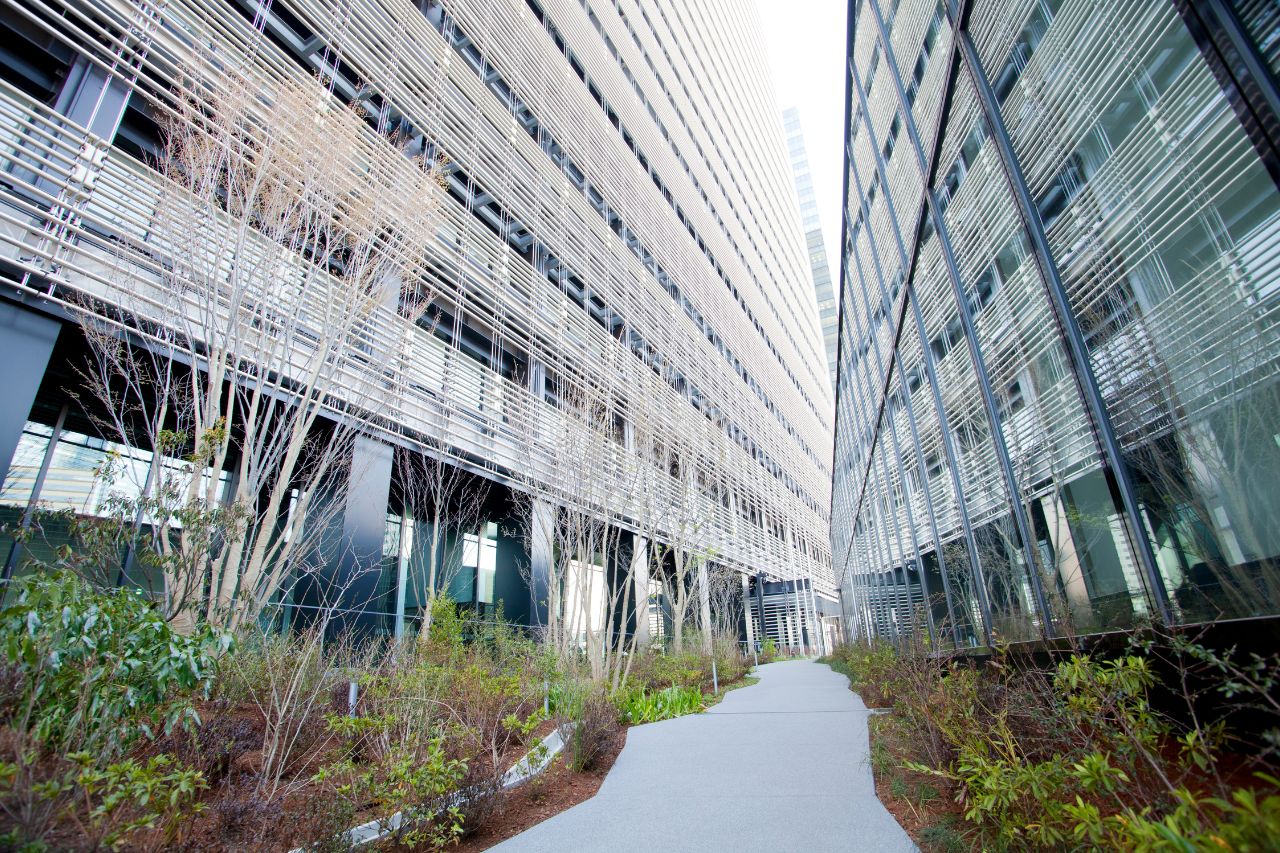
Many modern buildings feature extensive glass facades that require specialized cleaning.
Over time, glass surfaces accumulate:
- Dust
- Water spots
- Pollution residues
- Fingerprints
- Mineral deposits
Regular cleaning offers several advantages:
- Improved visibility
- Better natural light penetration
- Enhanced building appearance
- Reduced long-term glass damage
Clean windows also contribute to a brighter and more comfortable indoor environment.
Enhancing Safety Around the Property
Facade maintenance is also important for safety.
Contaminants and neglected surfaces can create hazards such as:
- Slippery walkways from algae growth
- Falling debris from deteriorating materials
- Water infiltration issues
- Structural weaknesses
Routine cleaning helps identify and address these concerns before they pose risks to occupants and visitors.
Professional cleaning teams often conduct visual inspections while performing maintenance, helping property managers detect emerging issues early.
The Advantages of Professional Facade Cleaning
While some maintenance tasks can be performed in-house, facade cleaning often requires specialized expertise.
Professional cleaning companies offer:
Advanced Equipment
Professionals use equipment designed for high-rise and complex structures, including:
- Water-fed pole systems
- Rope access techniques
- Elevated work platforms
- Pressure washing equipment
- Soft washing systems
Specialized Cleaning Methods
Different facade materials require different cleaning approaches.
Professional cleaners understand how to clean:
- Glass facades
- Stone surfaces
- Brickwork
- Metal cladding
- Painted exteriors
Without causing damage.
Safety Compliance
Facade cleaning often involves working at heights and requires strict adherence to safety regulations.
Professional contractors follow industry safety standards and use appropriate protective equipment.
Efficient Results
Experienced technicians can complete cleaning projects efficiently while ensuring consistent, high-quality results.
How Often Should Facades Be Cleaned?
Cleaning frequency depends on several factors:
- Building location
- Environmental conditions
- Type of facade material
- Exposure to pollution
- Weather patterns
General recommendations include:
- Commercial buildings: Every 6–12 months
- High-rise properties: Annually or semi-annually
- Coastal properties: More frequent cleaning due to salt exposure
- Industrial buildings: Quarterly or biannual cleaning
A professional assessment can help determine the most appropriate schedule.
Conclusion
Regular building facade cleaning is an important investment in property value, appearance, and long-term preservation. It not only improves curb appeal but also helps protect building materials, reduce costly repairs, enhance occupant satisfaction, and strengthen overall market competitiveness.
With ongoing exposure to pollution, moisture, and environmental contaminants, proactive maintenance is essential to preserve both aesthetics and structural integrity. Working with professional facade cleaning specialists enables property owners to preserve building attractiveness, safety, and long-term value.
Transform Any Space with Expert Cleaning
hCH Cleaning Services provide comprehensive cleaning solutions for every industry, keeping workspaces, production areas, and common areas spotless and hygienic.
Contact UsRECENT POSTS
-
 How to Improve Indoor Air Quality During Haze: 8 Effective Tips to Breathe Easier
 -
 Protect Office From Haze Singapore: 7 Essential Steps for a Safer Workplace
 -
 Haze Indoor Air Quality Singapore: 5 Essential Facts to Protect Your Health
 -
 Indoor Air Quality Testing Singapore: 6 Signs Your Office Needs It Now
 -
 Childcare Cleaning Service Singapore: 7 Essential Areas for a Safer Centre
 -
 Warehouse Cleaning Services Singapore: 8 Essential Checklist Items You Can't Skip
 -
 Office Cleaning Tips Singapore: 10 Proven Ways to Avoid a Messy Workplace
